
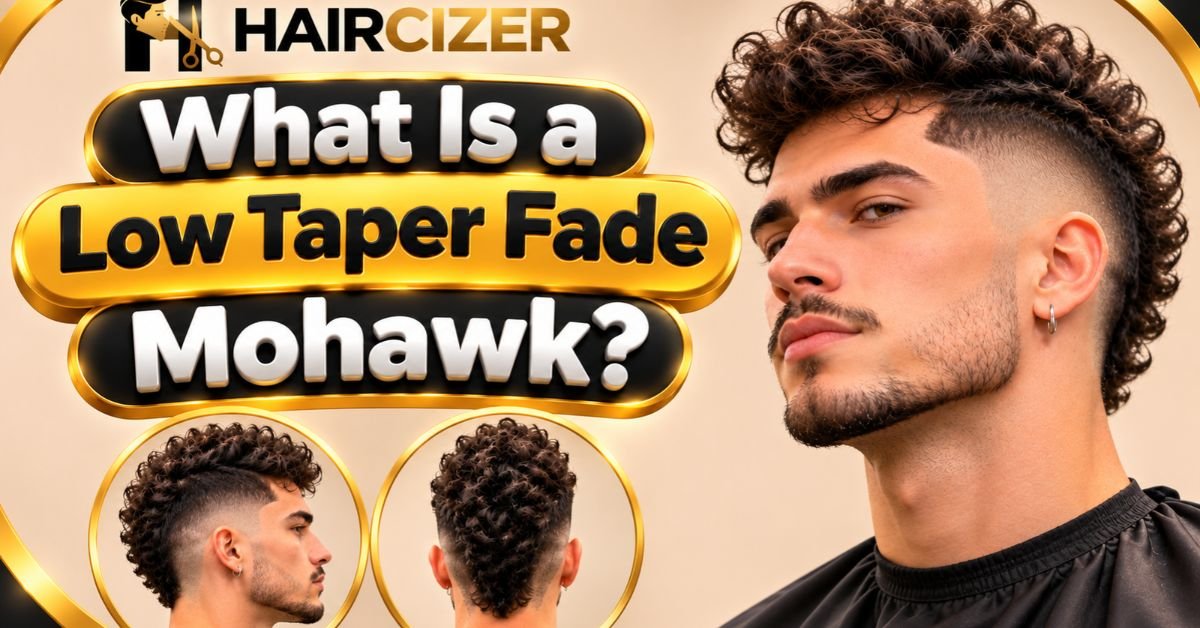
A low taper fade mohawk gives you the loud part of a mohawk without the loud sides. The center strip stands tall and full of texture, while the sides drop down in a soft, clean gradient that starts low around the ears and neckline. It looks sharp, feels modern, and still works in most daily settings.
This guide explains what the cut really is, how it differs from similar styles, and who it suits. You will also find 15 bold styles to show your barber, a ready-to-use barber script, styling steps for every hair type, and an honest look at maintenance, grow-out, and easier alternatives.
What Is a Low Taper Fade Mohawk?
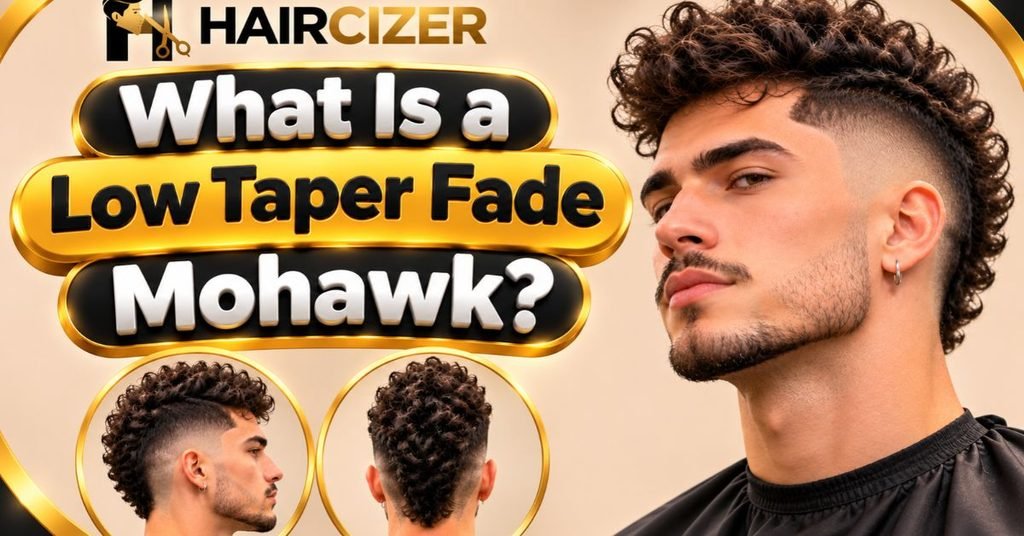
A low taper fade mohawk is a haircut with two clear zones. The sides and back are tapered short and faded low, while a strip of longer hair runs from the front hairline to the crown or nape. That strip is the mohawk.
The word “low” tells you how far up the fade climbs. Because it stays near the ears and neckline, the contrast feels controlled instead of extreme. Many barbers call it the friendly version of a mohawk.
Where Does the Low Taper Sit?
The low taper begins just above the ear and curves around the back of the head. It follows the natural hairline along the sideburns and nape. The fade usually ends at skin or a very short guard, then blends upward into the longer hair.
Because the fade stays low, most of the side hair keeps some length. That is why this cut looks softer than a mid or high fade. The sides read as neat, not shaved.
This also explains why the low taper is a popular first fade. It shows up as a subtle shadow instead of a bold stripe, so you can wear the mohawk on top without feeling like your whole head has changed. Barbers often suggest it to clients who are new to clippers and want a safe starting point.
What Makes the Center Section a Mohawk?
The mohawk is the center strip. It runs front to back, and the width is a choice you make with your barber. A slim strip looks sharper and more punk. A wider strip looks more modern and is easier to wear to work.
Length matters too. Most men keep the top between one and four inches. Shorter lengths stand up naturally. Longer lengths need product and a little blow-drying to hold their shape.
Think of the strip as a frame for your face. A straight, even strip looks formal and precise. A tapered strip that narrows at the nape looks more natural. Ask your barber to sketch the shape with a comb before cutting, so you both agree on where the lines will fall.
How It Differs From a Burst Fade, Skin Fade, and Faux Hawk
Barbers use a few terms that sound alike. Here is a quick comparison so you can speak the same language in the chair.
| Cut | Where the fade goes | Side length | Overall feel |
| Low taper mohawk | Low, along ears and neckline | Short, gradual blend | Bold but controlled |
| Burst fade mohawk | Curves around the ear in a half circle | Skin-tight around the ear, longer behind | Sharp and dramatic |
| Low skin fade mohawk | Low, down to bare skin | Bald at the bottom | High contrast, very clean |
| Faux hawk fade | Low, mid, or high | Short but visibly present | Softer, office friendly |
The short version: a taper keeps a little length and blends gently, a skin fade goes to bare skin, a burst fade arcs around the ear, and a faux hawk keeps more hair on the sides than a true mohawk.
Low Taper Mohawk vs Burst Fade Mohawk
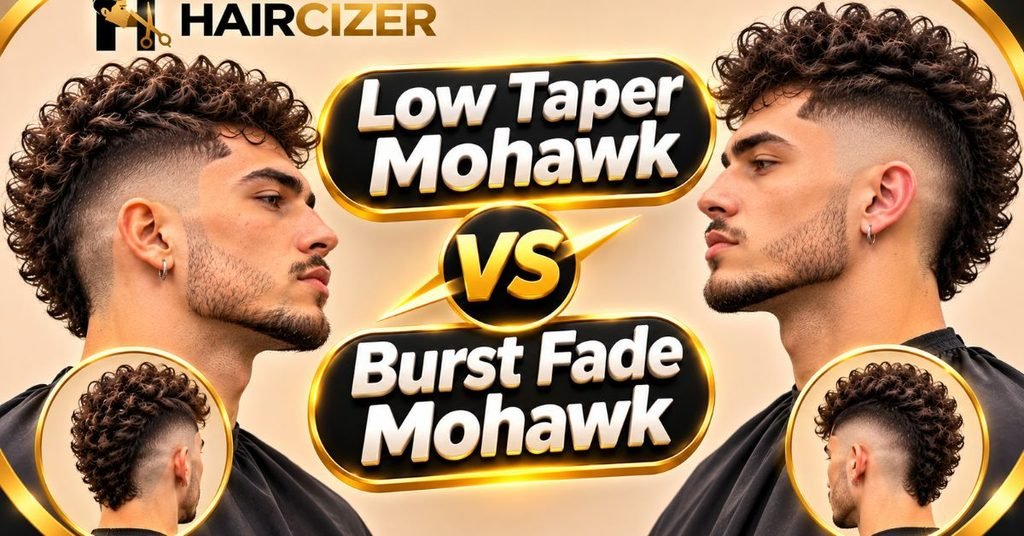
A burst fade shapes the hair in a rounded curve around the ear. It leaves more length at the back, which gives the cut a strong frame. A low taper works along the edges instead, tracing the sideburns and neckline in a straight, even flow.
Choose the burst fade if you want a statement shape from the side and back. Choose the low taper if you want a cleaner, more classic finish. If your hair grows thick at the nape, the burst fade can look rounder and fuller there.
Mohawk Fade vs Faux Hawk Fade
The main difference is the sides. A true mohawk fade takes the sides down very short, often to skin at the bottom. A faux hawk fade keeps the sides short but not shaved, so the cut still looks like a regular taper from the front.
A faux hawk is easier to hide on a quiet day. A mohawk looks intentional from every angle. A low taper mohawk sits right between the two, which is why so many people like it.
Low Taper vs Low Skin Fade on a Mohawk
A low skin fade on a mohawk goes down to bare skin near the ears and neck. It looks crisp, but it shows regrowth quickly. A low taper stops a little higher up the contrast scale, so the fade looks soft and grows out more gently.
If you like a razor-sharp edge and don’t mind frequent visits, go with the skin fade. If you want something that still looks neat after three weeks, the taper is the safer pick.
One more point: a taper blends well with beards, while a skin fade can leave a visible gap where the hair meets the face. If you plan to grow a beard, the low taper gives you a smoother connection between the sideburns and the jaw.
Is a Low Taper Fade Mohawk Right for You?

Before booking, check three things: your hair type, your face shape, and your lifestyle. Most people can wear this cut, but the details change by person.
Does It Work With Straight, Wavy, Curly, and Coily Hair?
Yes, it works on every texture. Each one just behaves a little differently.
- Straight hair: Holds a clean, sleek strip. It needs strong product to stay upright.
- Wavy hair: Gives natural lift and texture. It often needs only light styling.
- Curly hair: Builds volume easily. The curls form a full, rounded crest.
- Coily hair: Creates a dense, bold frohawk. The fade makes the texture stand out even more.
Which Face and Head Shapes Suit It?
The mohawk adds height, so it changes how the face looks. Use this table as a starting guide.
| Face shape | Why it works | Tip |
| Oval | Balanced proportions suit almost any width | Try a medium-width strip |
| Round | Height makes the face look longer | Keep the sides tight and the top tall |
| Square | Strong jaw pairs well with sharp lines | Add a little texture to soften angles |
| Long or oblong | Extra height can lengthen the face further | Keep the top shorter and wider |
| Heart | Tapered sides balance a narrow chin | Keep the sides slightly fuller |
Head shape counts too. Flat spots at the back can show more under a fade. A good barber will leave a little extra length there to hide them.
How Much Hair and Density Do You Need?
You need roughly two to four inches of usable hair on top to build a proper strip. Thick or medium density hair holds the shape best. Thin hair can still work if you keep the strip narrow and style it with a matte clay or powder for extra grip.
If your hairline is receding, a slimmer mohawk with a low taper can actually make the thinning area look neater. Ask your barber to keep the front line natural instead of sharp.
Is It Practical for Work, School, and Daily Styling?
Mostly, yes. Because the fade is low, the sides look tidy even when the top is relaxed. At work or school you can brush the strip flat or to the side and it looks like a normal short cut. On weekends you can push it up.
Daily styling takes about five minutes. Some workplaces, such as formal law or finance offices, may prefer a more conservative cut. In that case, choose the short, subtle version described below.
It also helps to think about your schedule. If you swim often, wear helmets, or work in a uniform, the sides stay easy to manage, while the top may need a quick rinse and restyle. Students and creatives usually find the cut flexible, since it moves from casual to dressed-up with a change of product.
Low Taper Fade Mohawk Styles to Show Your Barber
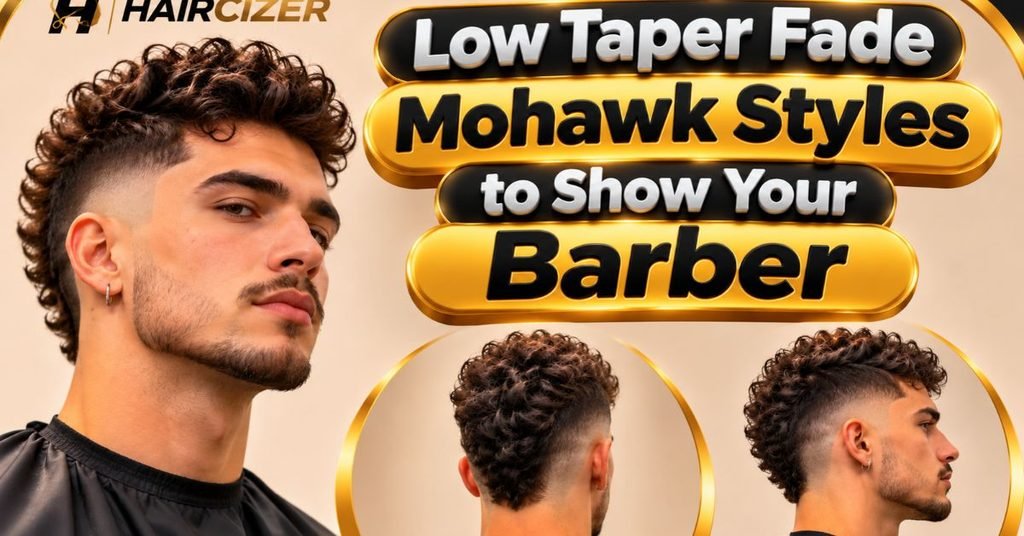
Here are 15 bold styles, grouped by look. Save the photos that match your hair and show them at your appointment.
Classic Textured Low Taper Mohawk
This is the everyday version. The top stays two to three inches long with plenty of texture, and the sides fade low.
- Classic spiky strip. A medium-width strip styled upward with clay. It is the traditional shape with a softer fade.
- Textured crop mohawk. The top is point-cut for a messy, broken-up finish. It works well on wavy or thick straight hair.
- Sleek slicked-back strip. The hair is combed back instead of up. It looks refined and suits office days.
- Wide modern mohawk. The strip stretches nearly from ear to ear in width. It feels fresh and less punk, so many people find it easier to wear.
Curly or Coily Low Taper Frohawk
The frohawk uses natural curl or coil as the main feature. The fade frames the crest and keeps the shape defined.
- Curly top mohawk. Loose curls stack on top for a soft, rounded crest.
- Tight coil frohawk. Dense coils form a tall, full strip with sharp edges.
- Twisted or two-strand top. Short twists run front to back for a textured, polished look.
- Freeform curl strip. The curls stay uneven and natural. A low taper keeps the sides neat so the top can stay wild.
Short, Subtle Low Taper Mohawk
These versions suit people who want edge without drawing too much attention.
- Short fohawk-style taper. The top is only about one inch longer than the sides. It reads as a clean, modern cut.
- Soft peak mohawk. The strip is brushed forward and slightly up, creating a gentle point at the front.
- Narrow office-friendly strip. A thin center section with a low taper. It stays calm when flat and shows its shape when styled.
Mohawk Mullet, V-Neck, and Design Variations
Want to push it further? These twists keep the low taper but change the silhouette.
- Mohawk mullet. The strip runs long at the back, with the sides faded low. It mixes retro with modern.
- V-neck mohawk. The hair at the back is cut into a V shape that points down the neck. It works best on thick hair.
- Mohawk with a part line. A thin razor part adds a sharp detail on the side. It is subtle but striking.
- Mohawk with beard blend. The low taper links into a faded beard so the whole head looks connected.
What Should You Ask Your Barber For?

Good results start with clear communication. Barbers can only cut what they understand.
Use a Barber Script and Reference Photographs
Photos are the fastest way to explain a haircut. Bring two or three, ideally from the front, side, and back. Then use a short script like this:
“I’d like a mohawk with a low taper fade. Take the sides down to a number one at the bottom, blended up to a number three. Leave about three inches on top, point-cut for texture, with a strip roughly two fingers wide.”
Adjust the numbers to match your comfort level. If you are nervous, ask for a longer guard and go shorter next time. You can always take hair off but you cannot add it back.
Confirm the Neckline, Line-Up, Beard Blend, and Finish
Four details are often forgotten, and they change the final look.
- Neckline: Square, rounded, or tapered. A tapered neckline grows out best.
- Line-up: Decide whether you want a sharp edge or a natural hairline.
- Beard blend: If you have a beard, ask the barber to fade it into the sideburns.
- Finish: Ask whether they will use a razor, trimmer, or foil shaver on the edges.
Before you leave the chair, check the back with a hand mirror. If something looks off, speak up right away.
A professional barber will also check your hair growth pattern, such as cowlicks at the crown or a double swirl. These patterns can make the strip lean to one side, so the barber may adjust the length or direction of the cut to keep it standing straight.
How Do You Style a Low Taper Fade Mohawk?
Styling is where the cut comes to life. You only need a few products and a few minutes.
How to Style Straight or Wavy Hair
Also Read:High Taper Fade Textured Fringe: Style & Barber Guide
- Wash and towel-dry your hair until it is damp, not wet.
- Apply a pea-sized amount of sea salt spray or light mousse for texture.
- Blow-dry the strip upward and toward the center using your fingers or a small brush.
- Rub a small amount of clay or paste between your palms and work it through from root to tip.
- Shape the crest by pinching and lifting. Finish with a light spray for hold.
Wavy hair often needs less product. Let the natural wave do most of the work.
A good trick for fine, straight hair is to apply a texturizing powder at the roots before the clay. It adds grip and lift without making the strip feel stiff. For thick hair, a blow-dryer on cool air helps set the shape after you style it.
How to Style Curly or Coily Hair
- Start with clean, damp hair that is full of moisture.
- Apply a leave-in conditioner or curl cream to define each curl.
- Use a pick or wide-tooth comb to lift the strip from the roots.
- Add a light gel or foam for hold without crunch.
- Let it air dry or use a diffuser on low heat. Avoid brushing once it is dry.
At night, protect your curls with a satin bonnet or pillowcase. This helps you wake up with the shape intact.
On refresh days, spray a little water or a leave-in mist over the strip, then fluff it with your fingers. You do not need to restyle the whole thing. This keeps the curls soft and avoids product buildup between washes.
Which Product Type Should You Use?
The right product depends on the finish you want. This table keeps it simple.
| Product | Hold | Finish | Best for |
| Matte clay | Strong | Matte, textured | Straight and wavy hair |
| Paste | Medium | Natural, slightly shiny | Short and subtle styles |
| Pomade | Medium to strong | Shiny, sleek | Slicked-back looks |
| Gel | Strong | Glossy, firm | Spiky strips and coils |
| Curl cream | Light | Soft, defined | Curly and coily hair |
| Sea salt spray | Light | Messy, airy | Wavy and thick hair |
Start with a small amount and add more as needed. Too much product can weigh the strip down.
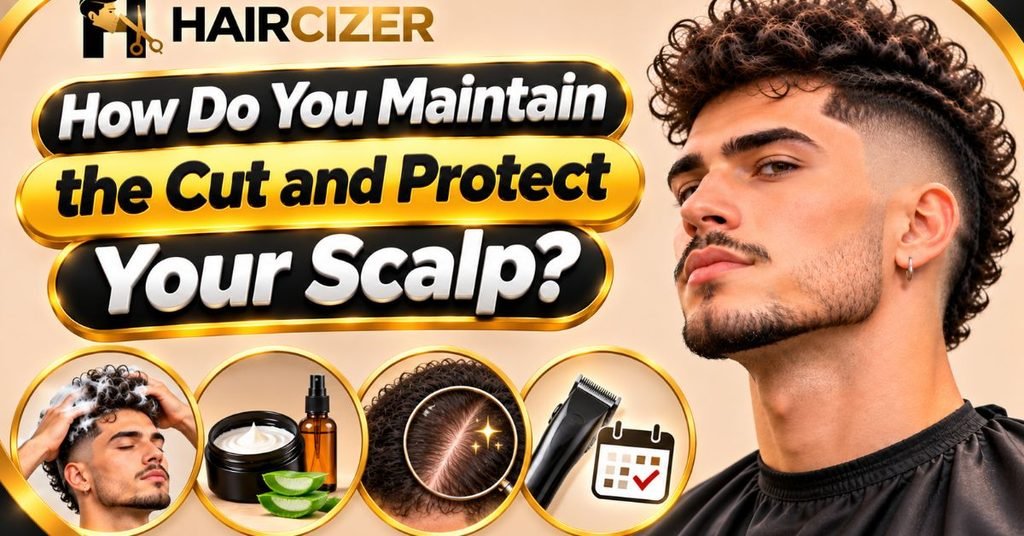
How Do You Maintain the Cut and Protect Your Scalp?
A mohawk fade looks best when it is fresh. A little care between visits keeps it looking that way.
When Does the Fade Need a Refresh?
Most people need a touch-up every two to three weeks. Low tapers grow out more gently than skin fades, so you can often stretch to four weeks if you are relaxed about it. Check these signs:
- The fade line is blurred or fuzzy.
- Hair on the neckline is growing in thick.
- The strip loses its shape even after styling.
- Your sideburns look uneven.
Book your next appointment before you leave the shop. It keeps you on schedule.
You can also do small home touch-ups between visits, such as trimming stray hairs on the neckline with a trimmer. Avoid cutting the fade yourself, though. Blending is a skill, and one wrong pass can leave a visible patch that takes weeks to fix.
How Should You Wash and Condition It?
Wash your hair two to four times a week. Over-washing can dry out the scalp and strip natural oils. Use a gentle shampoo and focus on the scalp, not the lengths. Follow with a conditioner on the strip, especially if your hair is curly or coily.
Once a week, use a clarifying shampoo to remove product buildup. Dry the sides gently with a towel instead of rubbing.
How Can You Reduce Heat Damage, Bumps, and Irritation?
Faded skin can get sensitive, and heat styling can dry the strip. A few habits help a lot.
- Use a heat protectant spray before blow-drying, and keep the dryer on medium.
- Moisturize the scalp with a light, non-greasy lotion.
- Apply sunscreen to the faded areas when you are outside, since they get more sun.
- Wash after sweating or wearing hats to prevent clogged follicles.
- Avoid scratching or picking at razor bumps. Use a warm compress and a gentle exfoliating product instead.
If irritation keeps coming back, tell your barber. They may change the razor technique or the product they use.
Common Mistakes, Grow-Out, and Lower-Commitment Alternatives
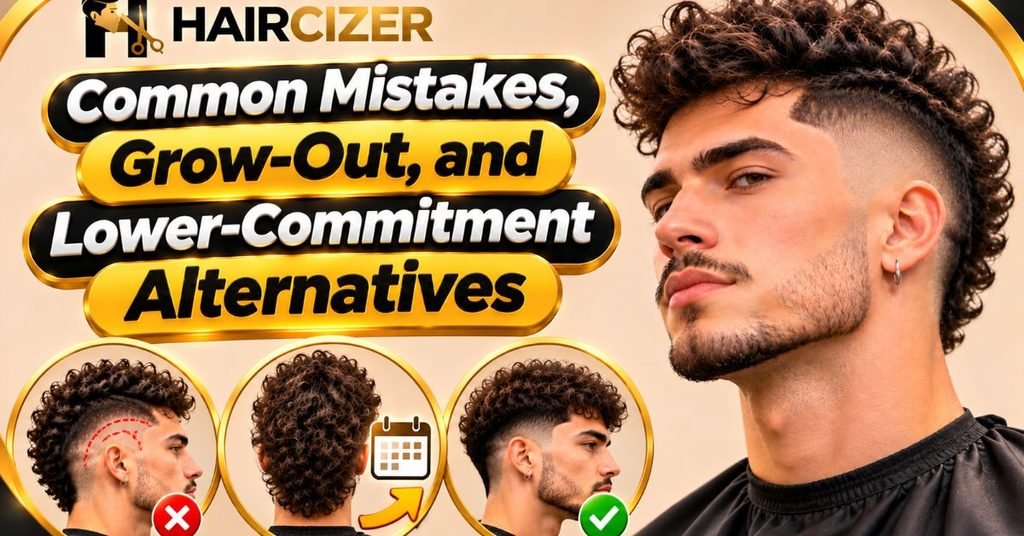
Even a great cut can go wrong. Knowing the usual traps saves time and money.
Mistakes That Change the Intended Silhouette
- Strip too wide or too narrow. It throws off the balance with your face shape.
- Fade starting too high. It turns a low taper into a mid fade and changes the whole look.
- Over-thinning the top. The strip loses the height that defines a mohawk.
- Skipping the neckline. A messy nape makes the whole cut look unfinished.
- Using the wrong product. Heavy pomade can flatten curls, and a weak spray can’t hold a spike.
Talk through the plan before the clippers come out. A two-minute chat prevents most regrets.
How Does It Grow Out?
Growing out a mohawk takes patience, but the low taper makes it easier. The sides gain length slowly, so the cut still looks neat for a while. Around week four, the strip begins to blend with the sides.
For the best transition, ask your barber for a gradual taper every few weeks. By month three or four, you can move into a longer crop, quiff, or textured top. Use pomade or clay to keep the in-between stage neat.
What Should You Choose for Less Commitment?
If you are not ready for a full mohawk, there are lighter options that borrow the same look.
| Option | Commitment level | Difference |
| Faux hawk with low taper | Low | More hair on the sides, less contrast |
| Textured quiff with low taper | Low | Softer front, no center strip |
| Short crop with low taper | Very low | Clean and simple, easy to grow out |
| Temporary spike styling | Very low | Style a longer top upward without cutting a strip |
You can also begin with a faux hawk and tighten the sides over time. That way you test the look before you commit.
Frequently Asked Questions
What is a low taper fade mohawk?
It is a mohawk with sides tapered and faded low around the ears and neckline.
Is a low taper fade mohawk professional?
Yes, when styled flat or kept short, it suits most workplaces.
How long should the hair be on top?
Aim for two to four inches for the best hold and shape.
How often should I get a touch-up?
Every two to three weeks keeps the fade looking sharp.
Can curly or coily hair wear this style?
Yes, curly and coily hair create a full and bold frohawk.
What is the difference between a mohawk and a faux hawk?
A mohawk has very short sides, while a faux hawk keeps more length there.
Does a low taper hide a receding hairline?
A slim strip with a natural front line can make it look neater.
What products work best for styling?
Matte clay suits most hair, while curl cream works best for curls.
How long does it take to grow out?
Most people reach a normal short cut in about three to four months.
Will it work with thin hair?
Yes, keep the strip narrow and use a texturizing powder for volume.
Conclusion
The low taper fade mohawk is a cut that proves you can look bold without going to extremes. It brings height, texture, and a clean finish together, and it adapts to straight, wavy, curly, and coily hair. With the right strip width and a clear plan, the low taper fade mohawk fits both busy weekdays and weekend plans.
Bring photos, use a short barber script, and confirm the neckline before you leave the chair. Keep up with trims every few weeks, protect your scalp, and choose products that match your hair type. If you want to ease in, start with a faux hawk or a short strip and build from there.
Leave a Reply