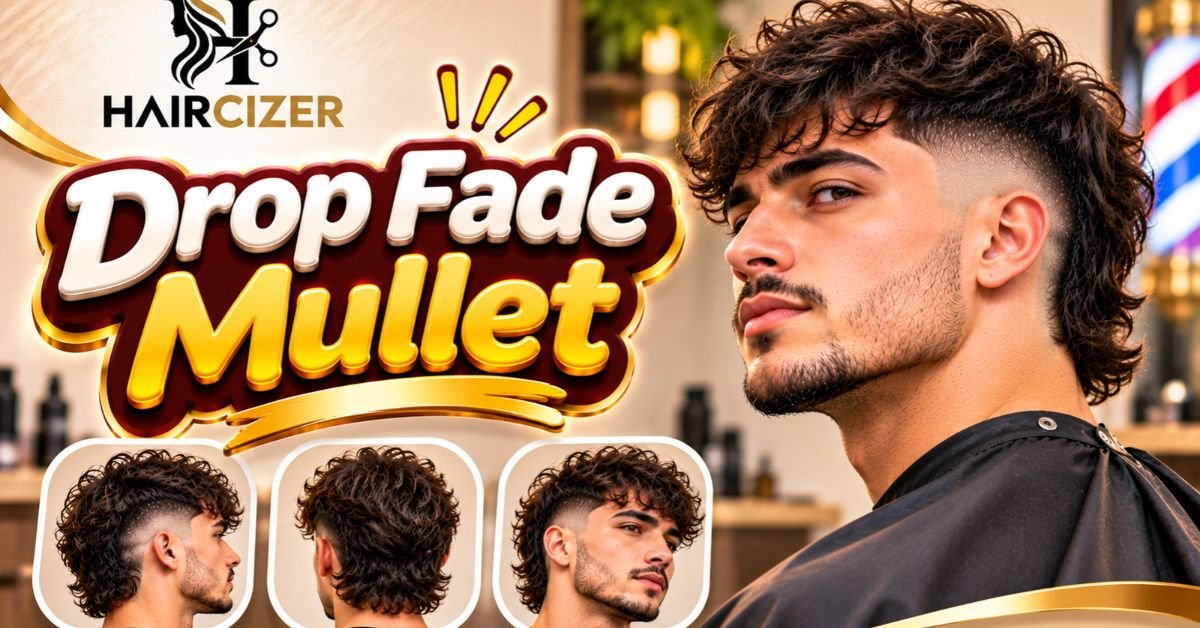
The mullet has come a long way from its old reputation. Today, the best versions look clean, intentional and surprisingly easy to wear. The drop fade mullet sits right at the front of that shift, pairing a longer, textured back with sides that curve down behind the ear in a smooth, sweeping arc.
If you have saved a few photos and still feel unsure about the details, this guide will help. You will learn what the cut actually is, how it differs from burst, taper and standard fade mullets, and which fade height suits your style. We also cover hair type variations, face shape, barber communication, styling at home and aftercare.
Read it through once, pick your favorite look, and walk into the chair with a clear plan. A well-briefed barber can turn a vague idea into a cut that looks sharp for weeks.
What is a drop fade mullet?

A drop fade mullet is a mullet haircut with a drop fade on the sides. The top and back keep their length, while the short sides blend upward from the skin and then “drop” down behind the ear instead of running level around the head. The longer hair at the back falls over the neck and gives the cut its recognizable shape.
Put simply, it is two ideas in one. The mullet supplies the length and attitude. The drop fade supplies the tidy, curved edge that keeps the whole thing looking modern rather than messy.
The anatomy of the cut
Every drop fade mullet has four parts. Knowing them helps you talk to your barber.
- The top: This is the front and crown area. It can be a textured crop, a fringe, a quiff or layered strands.
- The sides: These are cut short and blended with clippers. The fade starts here.
- The drop line: This is the curve that arcs behind the ear and dips toward the nape.
- The back: This is the mullet portion. It stays longer and can be wispy, layered, curly or sleek.
The fade and the back meet at the nape. A good barber blends that join so the longer hair falls naturally, with no hard step between the short and long areas.
Why the drop shape works with a mullet
A standard fade runs in a flat, even band. A mullet, on the other hand, has a strong vertical shape at the back. When those two meet, the flat line can look disconnected.
The drop fade solves that. Because it follows the curve of the skull, it creates a smooth path from the short sides into the longer back. The fade dips lower behind the ear, which gives the eye a line to follow toward the nape. The result looks planned and flowing instead of pieced together.
The drop shape also adds visual depth. The curve draws attention to the back of the head, so the mullet looks more deliberate and less like a growing-out haircut.
Drop fade mullet vs burst fade, taper and regular fade
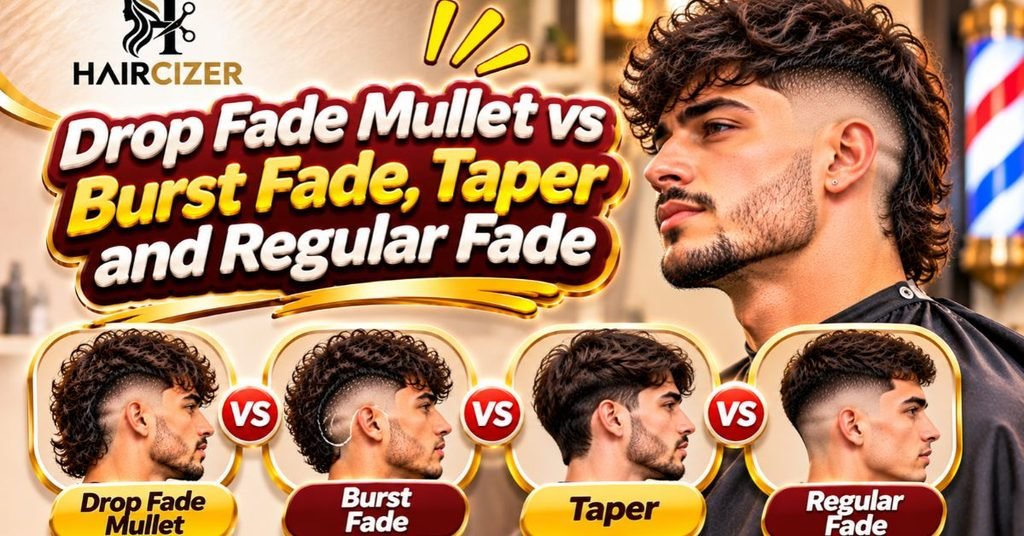
Many men ask the same question: what is the real difference between all these fade mullets? The table gives a quick overview, and the sections after it explain the details.
| Style | Fade shape | Contrast | Best for | Maintenance |
| Drop fade mullet | Curves down behind the ear | Medium to high | Smooth flow into a long back | Every 2 to 4 weeks |
| Burst fade mullet | Semicircle around the ear | High | A bold, rounded outline | Every 2 to 3 weeks |
| Taper mullet | Short gradient at the edges | Low | A subtle, easygoing look | Every 4 to 6 weeks |
| Standard fade mullet | Straight, level line | Medium | A classic, symmetrical finish | Every 2 to 4 weeks |
Drop fade mullet vs burst fade mullet
Look behind the ear. On a drop fade, the line dips and sweeps toward the nape. On a burst fade, the cut forms a rounded shape that wraps around the ear and fades into the neck area.
The burst fade mullet puts more focus on the ear. It feels more dramatic and rounded. The drop fade mullet feels more angular and streamlined, because the line follows the skull instead of circling the ear. If you like a sharper, flowing outline, choose the drop. If you want a bolder, more sculpted ear area, the burst is the better match.
Drop fade mullet vs taper mullet
A taper mullet trims the sides only slightly, usually at the sideburns and the neckline. The hair gets gradually shorter, but it never gets down to skin. It is the most conservative option and a good choice for an office or a first mullet.
A drop fade mullet takes the sides much shorter and creates a clear contrast with the length above and behind. It looks more styled, but it also needs more upkeep. Pick the taper if you want a gentle look. Pick the drop fade if you want the shape to stand out.
Drop fade mullet vs standard fade mullet
A standard fade mullet uses a fade that runs level around the head, then stops where the longer hair begins. It looks neat and balanced, but it can feel a little flat next to a full, shaggy back.
The drop fade adds movement. The dip behind the ear creates a line that connects the sides to the back, so the cut looks more natural from every angle. If you already love a classic fade, the drop version is an easy upgrade.
Low, mid or high drop fade mullet: which should you choose?
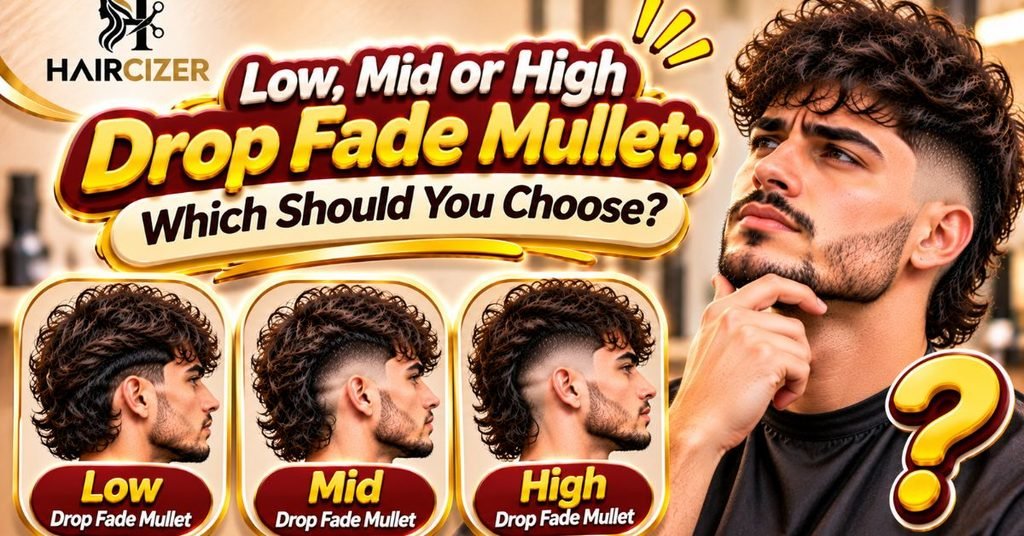
The height of the fade changes the whole personality of the cut. Each level suits a different look and lifestyle.
| Fade height | Starts | Look | Best if you want |
| Low drop | Just above the ear and neckline | Soft and subtle | A neat, work-friendly mullet |
| Mid drop | Around the temple level | Balanced and versatile | A modern cut that suits most people |
| High drop | Near or above the temple | Bold and dramatic | A high-contrast, statement style |
Low drop fade mullet
The low drop fade begins just above the ear and curves down toward the nape. It leaves more hair on the sides, so the shape stays soft. This is a smart pick if you are nervous about going too short.
It works well with a textured top and a medium-length back. Because the fade is subtle, it grows out gracefully, and you can wait a bit longer between visits.
Mid drop fade mullet
The mid drop fade starts around the middle of the sides, roughly where the temple meets the ear. It strikes a balance between subtle and bold. You get a visible fade and a clear arc, but the cut does not scream for attention.
For most men, this is the safest starting point. It suits many face shapes, works with different top styles, and looks right in casual and smart settings.
High drop fade mullet
The high drop fade climbs close to the temple before dipping behind the ear. The short zone is larger, the contrast is stronger, and the longer top and back stand out more.
This version suits confident, fashion-forward styles, especially with a voluminous top or a curly back. It also needs the most upkeep, because even small growth softens the clean skin area.
Skin, shadow or taper finish
The finish describes how short the hair gets at the base of the fade.
- Skin finish: The hair is cut down to the skin. It gives the sharpest contrast and the most striking drop line.
- Shadow finish: The hair is cut very short but not bare, usually with a number 0.5 or 1 guard. It looks soft and slightly blurred.
- Taper finish: The hair stays visibly present and gradually shortens. It is the most natural and low-commitment choice.
If you are new to fades, start with a shadow finish. You can always go shorter next time.
Drop fade mullet variations by hair type and length
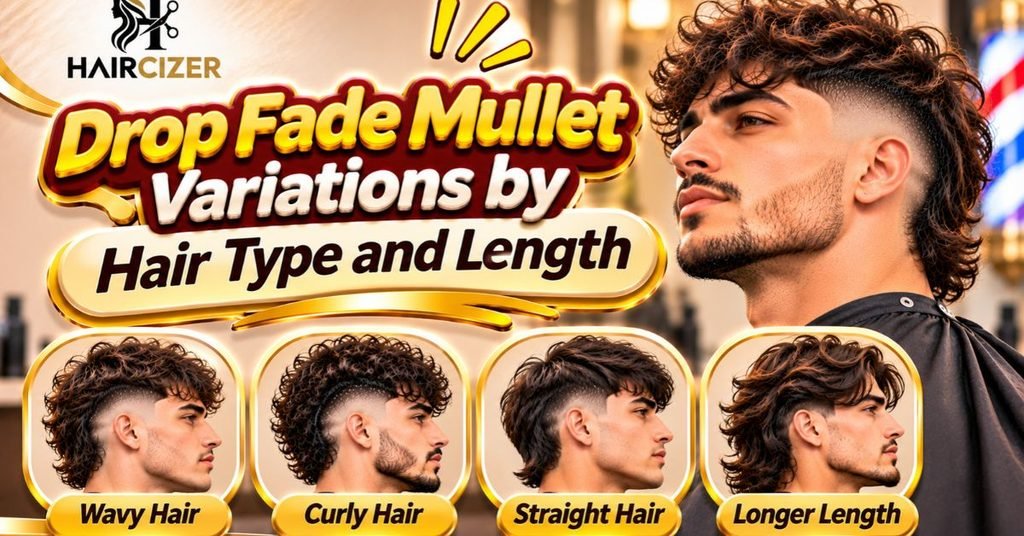
Hair texture and length decide how the cut behaves. These variations show how to adapt the style.
Straight hair drop fade mullet
Straight hair shows the fade blend clearly, which makes the drop line look extra crisp. The back tends to fall flat and sleek, so ask for layers or point cutting to add movement.
A slim, sleek back looks polished. A choppy, layered back looks more relaxed. Fine straight hair benefits from texture products that add grip and volume.
Wavy drop fade mullet
Wavy hair is the easiest type to work with. The waves add natural volume on top and soft movement in the back, so the cut looks full without much effort.
Keep the length moderate. Waves tend to bounce up when cut too short, and the mullet loses its flow. A medium back with light layering shows off the wave pattern well.
Curly or coily drop fade mullet
Curls and a drop fade make a strong pair. The skin-short sides frame the curls and keep the head shape neat, while the top and back stay full and defined.
Ask your barber to cut curly hair when it is dry so they can see how each curl springs up. For tight coils, a rounded top and a tapered back give a clean shape. For looser curls, let the back grow longer for a free-flowing mullet.
Short drop fade mullet
A short drop fade mullet keeps the back just long enough to touch the collar or sit at the nape. It is a good “starter” mullet. It reads as a modern haircut instead of a bold statement, and it is easy to manage.
Choose this version if you work in a conservative setting or want to test the style before committing to more length.
Longer, layered drop fade mullet
A longer version leaves several inches at the back, often with layers that create a feathered, shaggy outline. The top is layered, too, so the whole cut moves together.
This is the classic mullet attitude with a modern edge. It needs regular trims to keep the layers shaped, and it takes more styling time. In return, you get a cut that looks bold and distinctive.
Will a drop fade mullet suit you?
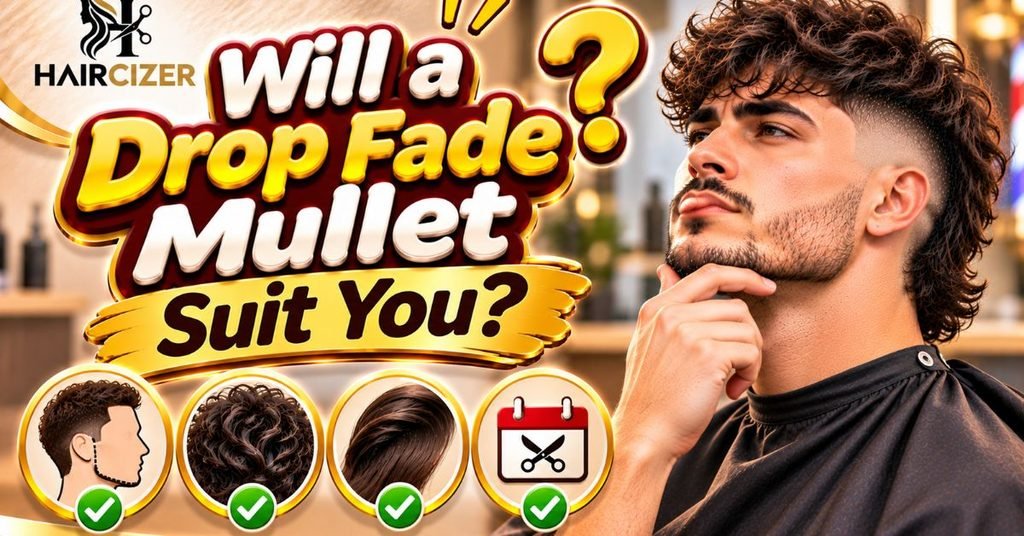
Almost anyone can wear this cut, but a few personal details change how well it works.
Face shape and head shape
- Round faces: Keep volume on top and leave some length at the back. The fade adds sharp lines on the sides and helps the face look longer.
- Oval faces: You can wear any version. Experiment freely.
- Square faces: The curve of the drop softens a strong jaw. A textured, slightly rounded top works well.
- Long faces: Avoid too much height on top. A fringe or a flatter top balances the length.
- Heart-shaped faces: A longer back adds weight at the bottom of the face and balances a wider forehead.
Head shape matters, too. Because the fade follows the skull, the cut highlights its contours. Bumps or flat spots become more visible with a skin fade. A shadow or taper finish hides them better.
Hair density, hairline and growth pattern
Thick hair is ideal because it gives the top and back plenty of body. Thin or fine hair can still work, but keep the top slightly longer and textured to avoid a stringy look. Many men with thinning hair also like the cut because the longer top and the short sides draw attention away from receding areas.
Check your hairline and growth patterns. A strong widow’s peak, a cowlick at the crown or hair that grows downward at the nape will change how the back sits. A good barber will adjust the layers and the drop line to work with your growth, not against it.
Is it practical for your routine?
Ask yourself these questions honestly:
- Can I visit a barber every two to four weeks?
- Am I willing to spend a few minutes styling each morning?
- Does my workplace or school accept longer hair at the back?
- Do I have patience while the back grows?
If you answered yes to most, the cut will fit your life. If not, a low drop fade with a shorter back is a lower-effort choice.
How to ask your barber for a drop fade mullet
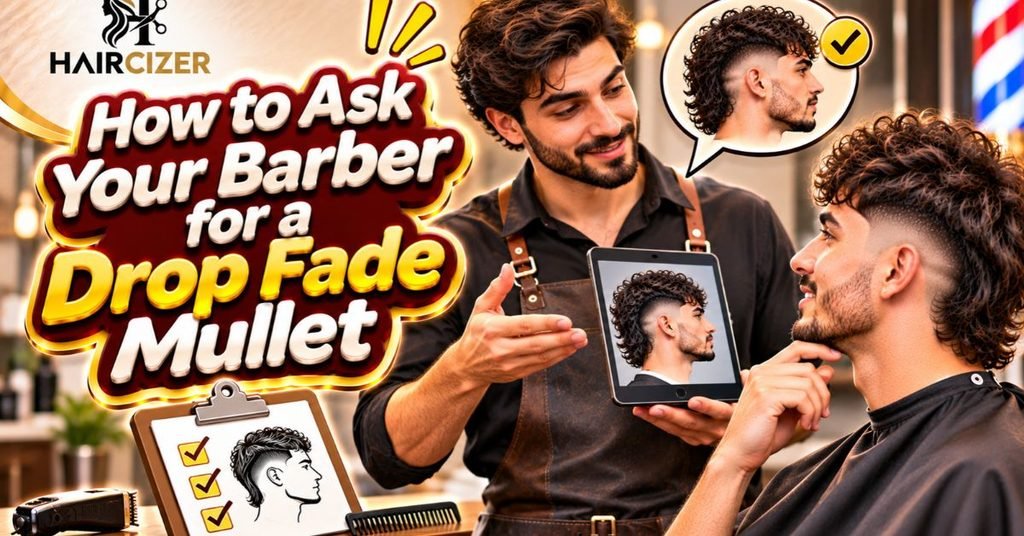
Barbers cannot read minds, and “a drop fade mullet” can mean several different cuts. A clear brief saves time and prevents disappointment.
Six decisions to specify before the clippers start
- Fade height: Say low, mid or high, and point to where it should start.
- Finish: Choose skin, shadow or taper, or give the guard number you want.
- Length on top: Give a measurement in inches or show a photo.
- Length at the back: Say whether you want it short, medium or long, and whether it should reach the collar or past it.
- Layering and texture: Ask for choppy layers, smooth blending or a clean, sleek finish.
- Edges and lines: Decide if you want a sharp line-up at the forehead and a clean neckline.
A sample request might sound like this: “Mid drop fade to skin, textured top about three inches, layered back to the collar, soft neckline.”
What reference photos should you bring?
Photos remove guesswork. Bring two or three.
- A front view for the top and the fringe.
- A side view to show the drop line behind the ear.
- A back view to show how the mullet falls and how the fade meets the longer hair.
Choose photos of people with similar hair texture to yours. A curly mullet looks very different from a straight one, and your barber needs a realistic target. Point out which part of each photo you like most, because you may love the fade in one picture and the top in another.
How to style a drop fade mullet at home

The fade takes care of itself between cuts, but the top and back need a few minutes of care. Use small amounts of product and style while the hair is slightly damp.
Straight and wavy hair
| Step | What to do | Why it helps |
| 1 | Wash with a light shampoo and towel dry | Removes buildup and keeps hair fresh |
| 2 | Spray sea salt or a texturizing mist on damp hair | Adds grip and body |
| 3 | Blow-dry the top upward with your fingers | Builds lift at the roots |
| 4 | Work a pea-sized amount of matte paste through the top | Defines pieces and adds texture |
| 5 | Scrunch the back with a little cream or leave-in | Keeps the mullet soft, not stiff |
A few extra tips for straight and wavy hair:
- Use a wide-tooth comb on the back instead of a fine brush.
- Avoid heavy pomade on the mullet portion. It can make the back look greasy.
- A light dusting of texture powder adds volume to fine hair.
Curly and coily hair
Also Read:Low Taper Fade Styling Secrets for Every Hair Type
Curls need moisture and a gentle hand. Start on damp hair so the curl pattern stays intact.
- Apply a leave-in conditioner from roots to ends.
- Add a curl cream or defining gel and scrunch upward.
- Let the hair air dry, or use a diffuser on low heat.
- Avoid touching the curls until they are fully dry, to prevent frizz.
- Fluff the top and back with fingers or a pick for volume.
For coily hair, a light oil on the ends seals in moisture and adds shine. Sleep with a satin bonnet or pillowcase to protect the shape and cut down on tangles.
Maintenance, grow-out and skin considerations
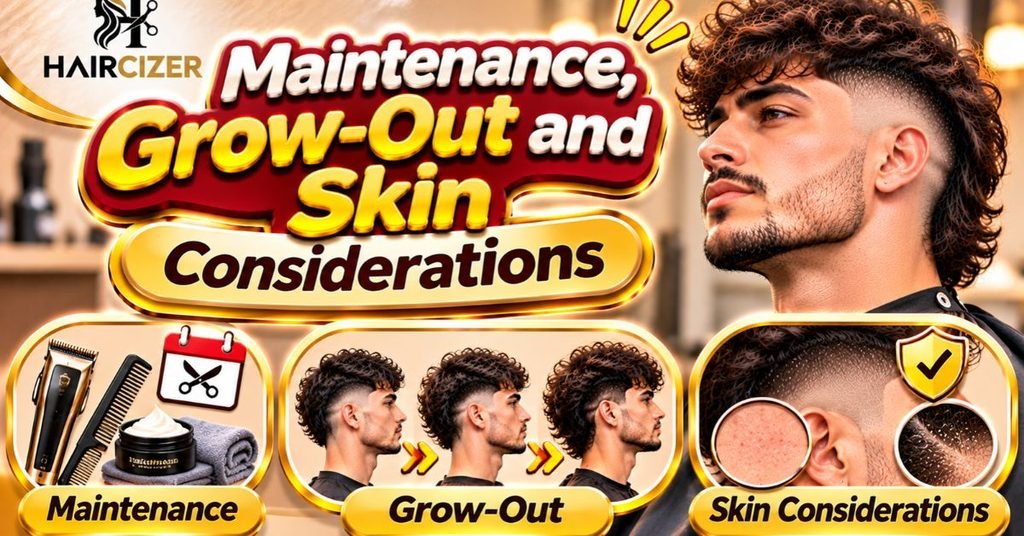
A drop fade mullet looks best when the sides stay crisp and the back stays healthy. A bit of planning keeps both in shape.
How often should you refresh the fade?
Most people need a fade refresh every two to four weeks. Even a few millimeters of growth softens the contrast.
| Weeks since cut | What you will notice | What to do |
| 1 to 2 | Sharp, clean and defined | Enjoy it |
| 2 to 3 | Skin area starts to shadow | Book a quick clean-up for a perfect look |
| 3 to 4 | The drop line blurs | Time for a full refresh |
| 5 to 6 | The shape is mostly gone | Expect a complete reset |
You do not have to trim the back as often as the sides. A trim every six to eight weeks is usually enough to keep layers neat.
How to grow the back without losing the shape
Growing out the mullet takes patience. These steps help you keep a good shape along the way.
- Keep the fade fresh. A crisp fade makes the growing back look intentional.
- Ask your barber to trim only split ends and tidy the layers, not to cut length.
- Use a conditioner or hair mask once a week to prevent breakage.
- Avoid daily heat styling. Excess heat dries out the ends.
- Shape the nape with a neat line so the growing length does not look scruffy.
Hair grows around half an inch per month on average, so expect several months to reach a full mullet length. Be patient, and book regular shape-ups during the in-between stage.
What if close fades cause bumps or irritation?
Cutting hair to the skin can irritate sensitive areas, especially around the ears and the nape. Razor bumps, also known as pseudofolliculitis barbae, form when short, curly hair grows back into the skin. People with tightly coiled hair are more likely to notice them.
Here is what helps:
- Ask your barber for a shadow or taper finish instead of a bald skin fade.
- Request clippers or a foil shaver rather than a straight razor.
- Apply a cool, damp cloth after the cut to calm redness.
- Use an alcohol-free aftershave balm or a light moisturizer.
- Avoid picking or scratching bumps.
- Wear sunscreen or a hat on bright days, since freshly exposed skin burns easily.
If irritation lasts more than a few days, or if you see pus, swelling or spreading redness, speak with a doctor or a dermatologist. This guide offers general grooming advice, not medical care.
Drop fade mullet FAQs
What is a drop fade mullet?
It is a mullet with a fade that curves down behind the ear.
Is a drop fade mullet the same as a burst fade mullet?
No, a drop fade dips behind the ear while a burst fade circles it.
How often should I refresh a drop fade mullet?
Every two to four weeks keeps the fade sharp.
Does a drop fade mullet work on curly hair?
Yes, curls look full and defined against the short sides.
What should I tell my barber?
Share the fade height, finish, top length, back length and a photo.
Is a drop fade mullet good for thinning hair?
It can be, if you keep the top slightly longer and textured.
How long does it take to grow a mullet?
Most people need several months to reach a full length.
Can I wear a drop fade mullet to work?
Yes, a low drop fade with a shorter back looks neat and professional.
Conclusion
The drop fade mullet blends a long, textured back with a smooth curve that follows the skull behind the ear. It works on straight, wavy, curly and coily hair, and it adapts to most face shapes. Pick your fade height and finish first, then decide how bold you want the length on top and at the back.
A great result starts with a clear brief and a steady routine. Bring photos from three angles and agree the six key decisions before the clippers start. Refresh the fade every few weeks, care for the growing back, and look after your skin, and the cut will stay sharp.
Leave a Reply