
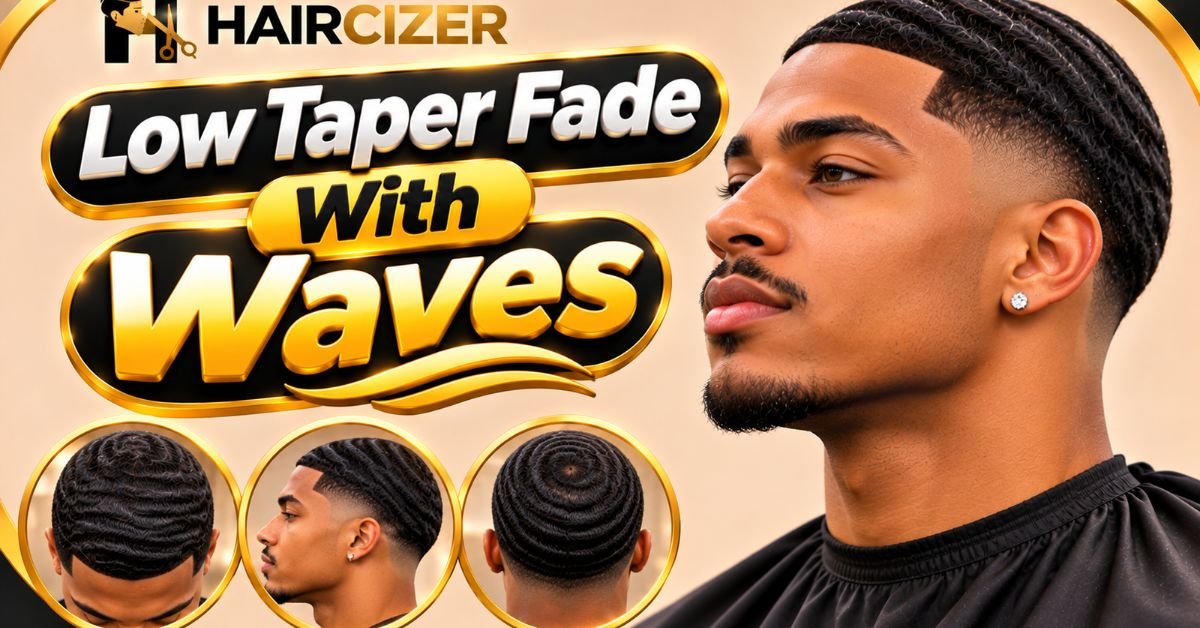
A low taper fade with waves is one of the cleanest ways to show off your texture. The sides and back stay short and neat, while the top ripples in deep, brushed-in patterns. The low fade acts like a frame, and the waves are the picture.
This guide explains how the cut works, who it suits, and how to get it right. You will find 15 wave styles to show your barber, guard lengths to request, a step-by-step wave routine, maintenance habits, and fixes for the most common problems.
What Is a Low Taper Fade With Waves?

A low taper fade with waves combines two things: a gentle, low taper around the ears and neckline, and a top section of short curly or coily hair that is trained to lie in a wave pattern. The taper handles the edges. The brushing, moisture, and time handle the waves.
Barbers like this pairing because the low fade leaves most of the head’s surface to the waves. Nothing competes with the pattern, so even early waves look tidy.
Where the Low Taper Starts and Ends
The low taper starts near the temples and sideburns, travels just above the ear, and wraps around the nape. It usually shortens the hair gradually, going from the top length down to skin or a very short guard right at the edge.
Because it stays low, the fade does not climb up the sides of the head. That keeps more hair around the crown and upper sides, which is exactly the area you need for continuous waves.
It also helps to know the difference between a taper and a fade. A taper changes length gradually and evenly, usually at the neckline and sideburns. A fade blends down more sharply, often to bare skin. A low taper fade borrows the best of both: a smooth gradient with a soft, natural finish. That is why barbers recommend it so often for first-time wave growers.
How 360 Waves Work With a Low Taper
Waves form when short, curly hair is brushed in one direction, over and over, so it lies flat and bends into ripples. A 360 pattern means the waves circle the whole head, flowing outward from a center point at the crown.
A low taper supports this because it removes bulk only at the edges. The wave pattern keeps its full circle, and the line where the fade begins looks like a natural border for the ripples.
Is a Low Taper Fade With Waves Right for You?

This cut rewards patience. Before you commit, check your hair type, head shape, and daily routine.
Which Hair Textures Can Form Defined Waves?
Waves depend on curl pattern. Hair that curls or coils naturally can be trained into waves. Hair that is stick straight usually cannot hold the ripple, no matter how much you brush.
| Hair texture | Wave potential | What to expect |
| Straight (type 1) | Very low | Brushing gives shine, not ripples |
| Wavy (type 2) | Moderate | Soft, loose waves that need less effort |
| Curly (type 3) | High | Clear waves with steady brushing |
| Coily (type 4) | Very high | Deep, defined waves, often the strongest pattern |
If your hair is in the middle, such as loose curls, you can still get waves. They may look softer and take a bit longer to set.
Hair density plays a role as well. Thick, dense hair forms strong, visible ripples because the strands support each other. Fine or thin hair can still wave, but the pattern may look lighter. If your scalp shows through easily, a slightly longer top and a gentle brush can make the waves look fuller.
How Head Shape, Hairline, and Lifestyle Affect the Cut
Waves follow the shape of your skull, so a rounder head shows a smoother circle. Flat spots or a pronounced back of the head can interrupt the flow. A skilled barber can adjust the length in those areas to keep the pattern looking even.
Your hairline matters too. A strong, even hairline gives crisp lines. A receding or uneven one needs a softer line-up so the waves do not look unbalanced. As for lifestyle, brushing and wearing a durag or wave cap at night takes real time. If your mornings are rushed or you dislike wearing head coverings, plan for a lighter-effort version.
What Are the Main Benefits and Trade-Offs?
| Benefits | Trade-offs |
| Neat, polished look at work and school | Daily brushing and moisture routine |
| Highlights hair texture instead of hiding it | Needs a nightly cap or durag |
| Low fade grows out gracefully | Waves take weeks to become deep |
| Works with beards and line-ups | Regular barber visits are needed |
| Flexible: can be subtle or bold | Wrong cut length can ruin progress |
If the trade-offs sound manageable, you are in a good position to start.
One more thing to consider is how you feel about commitment. Waves are less about a single haircut and more about a routine. People who enjoy the process often say the nightly brushing becomes relaxing. If you know you will not stick with it, a plain low taper with a short, natural top is still a great cut, and you can always start waves later.
Which Low Taper Wave Style Should You Choose?
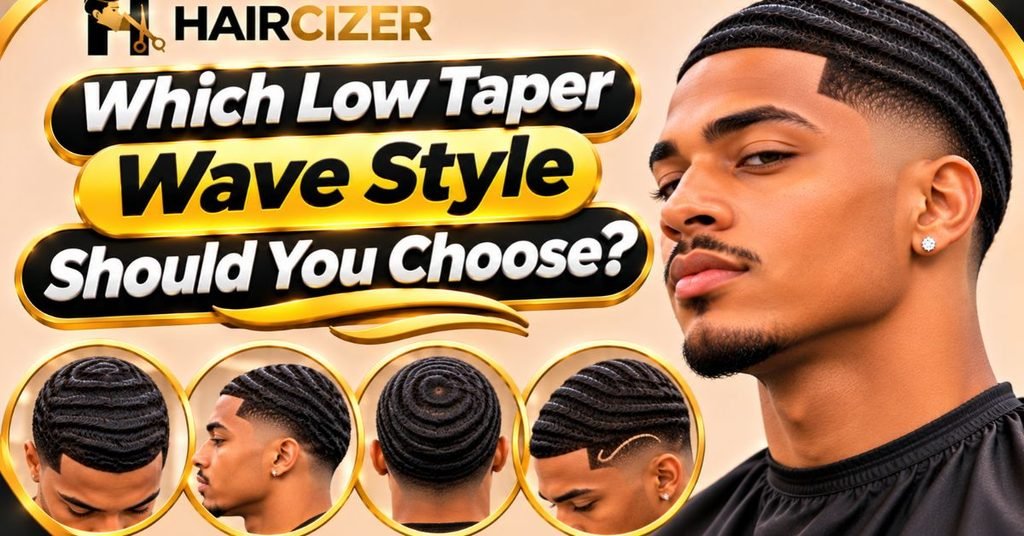
Here are 15 stunning styles, grouped by look. Save a few photos and bring them to your next appointment.
Low Taper With 360 Waves
The classic. The waves circle the entire head, and the taper frames them cleanly.
- Classic 360 low taper. Short sides, a smooth top, and full circular waves. It is the standard that most other styles are measured against.
- Deep 360 low taper. The waves are brushed to a deeper, more contrasted ripple after months of work. It needs consistent grooming.
- 360 waves with a soft crown. The waves radiate from a slightly fuller crown. It gives the pattern a rounded, natural look.
- Fresh-cut 360 waves. A newly trimmed top with the first signs of ripples. It looks sleek and is a good place to start.
Low Taper With 180 Waves
A 180 pattern covers the front and sides of the head in a half-circle instead of wrapping fully around. It is a good option if your crown does not cooperate.
- Classic 180 low taper. Waves run from the front hairline toward the back, forming a clear half-circle.
- 180 waves with a wider top. The top section is kept slightly longer, which makes the ripples look broader.
- 180 waves with fade detail. The taper is cut a little tighter near the temple to sharpen the edge.
Low Taper With a Line-Up, Beard, or Part
These versions add detail around the waves.
- Waves with a sharp line-up. A crisp edge along the forehead and temples makes the pattern pop.
- Waves with a full beard. The low taper blends into a shaped beard for a connected, polished look.
- Waves with a razor part. A thin shaved line on one side adds a clean accent.
- Waves with a beard fade and soft line-up. A relaxed hairline paired with a faded beard keeps the look balanced and mature.
Shadow Taper, Skin Taper, or Temple Taper
These variations change where and how the fade ends.
- Shadow taper with waves. The fade stops at a soft shadow instead of bare skin. It looks understated and professional.
- Skin taper with waves. The taper reaches skin at the bottom for stronger contrast. It looks sharp but needs frequent refreshes.
- Temple taper with waves. Only the temples and sideburns are tapered, leaving the back fuller. It is a gentle option for new fades.
- Taper with waves and design. A small carved pattern near the temple or part adds a personal touch.
What Should You Ask Your Barber For?
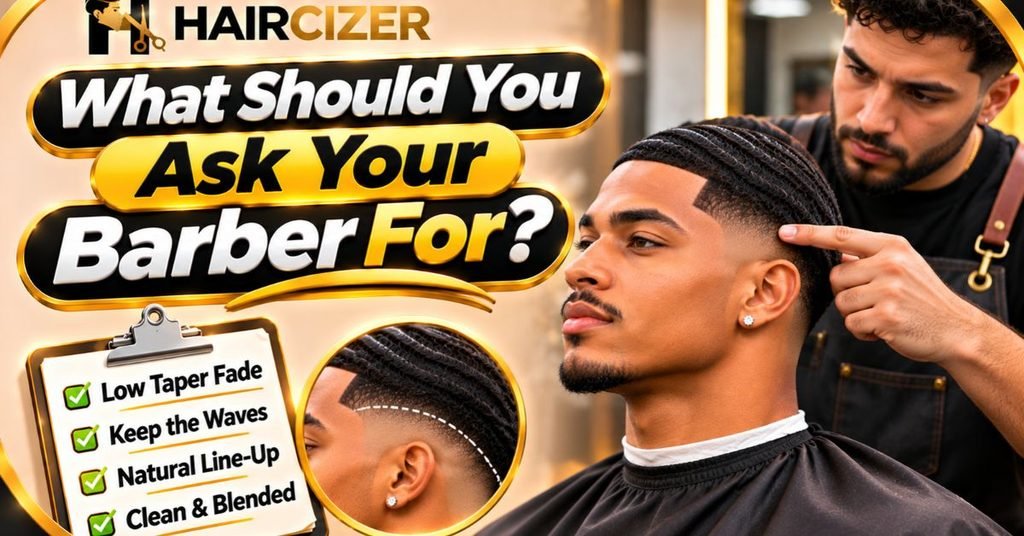
Clear instructions prevent most haircut disappointments. Barbers cannot read minds, but they can follow good directions.
What Guard Length Should You Request?
Guard numbers differ by brand, but these ranges are a helpful starting point.
| Area | Typical guard | What it does |
| Top for waves | #2 to #4 | Short enough to brush flat, long enough to show curl |
| Fade top | #1 or #2 | Starts the blend into the top |
| Fade bottom | #0 or skin | Finishes the taper cleanly |
| Beginners | Slightly longer | Gives room to adjust later |
If you are new to waves, ask for a #2 or #3 on top. Very short hair can look flat, but it also shows wave patterns early. If your hair is thick, a #3 or #4 may brush down more comfortably.
Many barbers also suggest a slightly longer first cut when you plan to brush and cap every day. The extra length gives you room to correct mistakes and lets you see which direction your hair wants to lie. After a few weeks, you can go shorter if you want a flatter, sleeker finish.
A sample script: “I’d like a low taper fade with a number three on top, blended down to skin at the neckline and sideburns. I’m growing waves, so please leave the top even.”
What Reference Photos and Checks Prevent Miscommunication?
Bring photos of your hair type and head shape, if possible. A picture of someone with straight hair will not help if your hair is tightly coiled. Show three angles: front, side, and back.
Before the barber finishes, run through this checklist:
- The fade starts low, not near the top of the head.
- The sides are even on both ears.
- The neckline shape matches what you asked for.
- The top length is consistent, with no patchy spots.
- The line-up fits your face and does not push the hairline back.
Use a hand mirror and check with the lights on. If something is off, say so before you pay.
It also helps to tell the barber about your goals. Say you are growing waves, so they know to avoid over-thinning the top or using a razor against the grain on your crown. A barber who understands the plan will make better choices with the clippers. If you find a barber who gets it right, stick with them and book the next visit before you leave.
How Do You Get Waves With a Low Taper Fade?
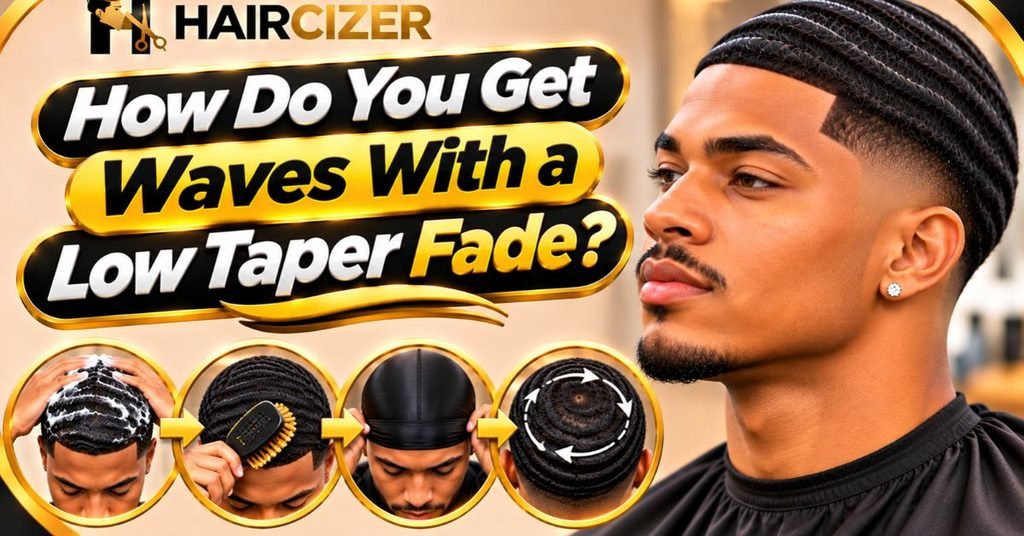
Waves take time, but the process is simple. You need a soft brush, a moisturizer or pomade, and a durag or wave cap.
Step-by-Step Wave-Building Routine
- Wash and condition. Clean hair holds a pattern better. Use a moisturizing shampoo and conditioner.
- Moisturize. Apply a water-based moisturizer or leave-in conditioner while the hair is slightly damp.
- Add a light pomade. Use a small amount of wave pomade. Too much will leave residue and weigh the waves down.
- Brush in the right direction. Use a medium or soft brush, and follow the wave direction from the crown outward. Do it for five to ten minutes.
- Cover the hair. Tie a durag or wave cap and wear it for at least 20 minutes. Overnight is even better.
- Repeat. Brush two to three times a day, if you can, and cover every night.
Consistency matters more than strength. Gentle brushing done daily beats rough brushing done now and then.
Choose your brush with care. A soft brush is best for beginners and for fine hair. A medium brush suits most textures. A hard brush works for thick, coarse hair, but can cause breakage if used too aggressively. Replace your brush when the bristles bend or wear down, and wash it every couple of weeks so old pomade does not transfer back to your hair.
What Is Wolfing, and When Does It Help?
Also Read:Mid Taper Fade for White Guys: Best Styles & Barber Tips
Wolfing is the practice of letting your hair grow for a few weeks while you keep brushing. The extra length gives the waves more depth. It usually starts about two weeks after a haircut and can last one to four weeks, depending on how much you want to grow.
It helps when your waves look shallow or flat. It does not suit every lifestyle, because the sides and neckline can look overgrown. A low taper makes the wolfing stage easier, since the faded edges stay tidy for longer.
How Long Before the Waves Look Defined?
Most people see early ripples in two to four weeks. Clear, consistent waves often take six to eight weeks. Deep waves can take three months or more.
| Time | What you may notice |
| Week 1 to 2 | Hair is flatter and starts to follow the brush |
| Week 3 to 4 | Faint ripples appear |
| Week 6 to 8 | Waves look clearer and more consistent |
| Month 3+ | Deep, defined waves |
Everyone’s hair grows differently, so treat these numbers as a guide, not a deadline.
While you wait, take a photo of your hair every week from the same angle. Progress is easy to miss when you see yourself in the mirror every day. A simple photo log shows how the pattern is changing and helps you decide whether to adjust your routine, such as adding more moisture or extending your wolfing period.
How Do You Maintain the Cut and the Wave Pattern?

Waves are a habit, not a one-time cut. Small routines add up.
Daily and Night-Time Routine
In the morning:
- Brush your hair with a soft brush to realign the pattern.
- Apply a light moisturizer to keep curls soft.
- Tie a durag for 15 to 20 minutes before heading out, if you have time.
At night:
- Brush again with a small amount of pomade.
- Cover your hair with a durag or wave cap.
- Use a satin pillowcase if you do not like wearing a cap.
Washing, Moisture, and Product Build-Up
Wash your hair every three to seven days, depending on how oily your scalp gets. Washing too often can dry out the hair, and washing too rarely lets product build up. Always follow with a conditioner or leave-in.
Use a clarifying shampoo once every two to three weeks to remove stuck-on residue. If your waves look dull or flaky, product build-up is often the cause. Water-based products usually rinse out more easily than heavy greases.
A good rule is to use less than you think you need. A dime-sized amount of pomade is enough for most heads. If your brush feels sticky or your waves look greasy by midday, cut the amount in half and add moisture with a light leave-in spray instead.
Barber Touch-Ups and At-Home Edge Maintenance
A low taper looks best when refreshed every one to two weeks if you like a sharp edge. If you are okay with softer lines, three weeks can work.
Some people alternate between a full cut and a quick line-up. The line-up cleans the forehead, temples, and neckline without touching the top, so your wave progress is safe. It is a smart way to keep a fresh look during the wolfing phase.
At home, you can tidy small stray hairs around the neckline and sideburns with a trimmer. Do not try to re-fade the sides yourself. A single uneven pass can cost you weeks of progress.
How Does a Low Taper Compare With Other Wave Haircuts?
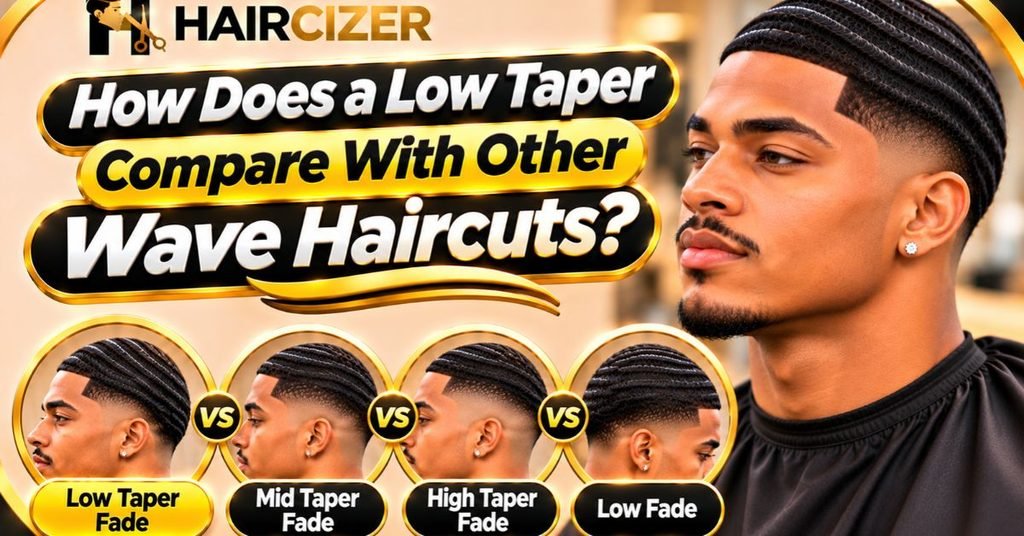
The fade type changes the mood of the cut. Here is a quick comparison to help you choose.
| Fade type | Where it starts | Contrast | Best for |
| Low taper | Just above ears and nape | Soft | Everyday, work-friendly waves |
| Mid taper | Mid-sides of the head | Medium | Balanced contrast |
| High taper | Upper sides | Strong | Bold, dramatic looks |
| Low skin fade | Low, to bare skin | High at the base | Sharp, clean edges |
| Drop fade | Curves behind the ear | Medium to strong | Shaped, curved lines |
A low taper is the safest for work or school, while higher fades make waves look more striking but need more upkeep.
Think about your hair color and skin tone as well. A low taper that ends in a soft shadow looks natural on most people, while a stark skin edge shows more contrast on darker hair against lighter skin. Your barber can guide you on the best finish for your complexion.
If you are unsure, start low. You can always ask for a higher taper at your next visit, but you cannot add hair back once it is cut. Many people begin with a low taper, enjoy how forgiving it is, and later experiment with a drop fade or a mid taper when their waves are deeper and they want more contrast.
What Can Go Wrong, and How Do You Fix It?

Most problems are fixable if you know what you are dealing with.
The Barber Cut Too High or Too Short
If the fade starts higher than you wanted, the best fix is time. Let the hair grow for a week or two, then ask for a softer blend. You can also ask the barber to lengthen the surrounding hair slightly so the transition looks smoother.
If the top is too short, keep brushing and moisturizing. Short hair still forms waves, and regrowth will fill in over a few weeks. Next time, bring photos and ask for a longer guard.
Razor Bumps, Neck Irritation, and Scalp Warning Signs
Razor bumps happen when shaved hairs curl back into the skin. To reduce them:
- Ask the barber to cut with the grain, not against it.
- Apply a warm towel before and a soothing aftershave after.
- Use a gentle exfoliant on the neckline two or three times a week.
- Skip tight caps or collars that rub the area.
Watch for warning signs such as persistent redness, pus, severe itching, or hair loss in patches. If those appear, see a dermatologist rather than trying to treat them yourself.
Protect your scalp from heat and sun, too. Hair this short offers little cover, so apply sunscreen to the exposed skin when you are outdoors for long. Avoid scratching your scalp with your nails during brushing, because small scrapes can lead to irritation or infection.
Receding Hairlines, Uneven Crowns, and Sensitive Skin
If your hairline is receding, keep the line-up soft and natural. A sharp, pushed-back edge can make recession look more obvious. A low taper with a slightly rounded front edge works better.
For an uneven crown, ask your barber to leave a little extra length around the whorl so the waves look consistent. Brush in the direction the hair naturally grows, and avoid fighting the pattern.
If the crown stays stubborn, try brushing from the crown outward in small sections, then cover for a longer time. Some people also add a slightly heavier pomade only at the crown. Give it several weeks before judging the result, because crown hair often needs the most time to settle.
For sensitive skin, ask for a lighter razor touch or a skin-friendly shaving gel. Choose fragrance-free products and patch-test new pomades.
Finally, keep your tools clean. Wash your durag or wave cap every week, sanitize your brush, and never share them. Clean tools lower the chance of scalp irritation, breakouts, and dull-looking waves. These small habits protect both your skin and your hard-earned pattern.
Frequently Asked Questions
What is a low taper fade with waves?
It is a low taper on the sides with brushed waves on top.
Can straight hair get waves?
Not true waves, because straight hair does not hold the ripple.
What guard should I ask for on top?
Most people start with a number two, three, or four.
How long do waves take to form?
Early ripples show in two to four weeks.
What is wolfing?
It is letting your hair grow a few weeks while you keep brushing.
Do I need a durag?
A durag or wave cap helps the pattern stay flat.
How often should I see my barber?
Every one to two weeks keeps edges sharp, three weeks if relaxed.
What is the difference between 360 and 180 waves?
360 waves circle the whole head, while 180 cover the front and sides.
Can I wear this style to work?
Yes, the low taper looks neat and professional.
How do I prevent razor bumps?
Cut with the grain and moisturize the neckline daily.
Conclusion
A low taper fade with waves gives you a clean frame and a textured top that reward steady care. With the right guard lengths, a clear barber script, and a simple brushing routine, you can build waves that look sharp for weeks. Choose the wave pattern, fade finish, and line-up that match your head shape and lifestyle.
Stay patient through the early weeks and keep your hair moisturized, covered, and brushed. Refresh the fade on a regular schedule, and fix small problems early before they grow. If you ever want a softer look, a shadow or temple taper keeps the style flexible.
Leave a Reply