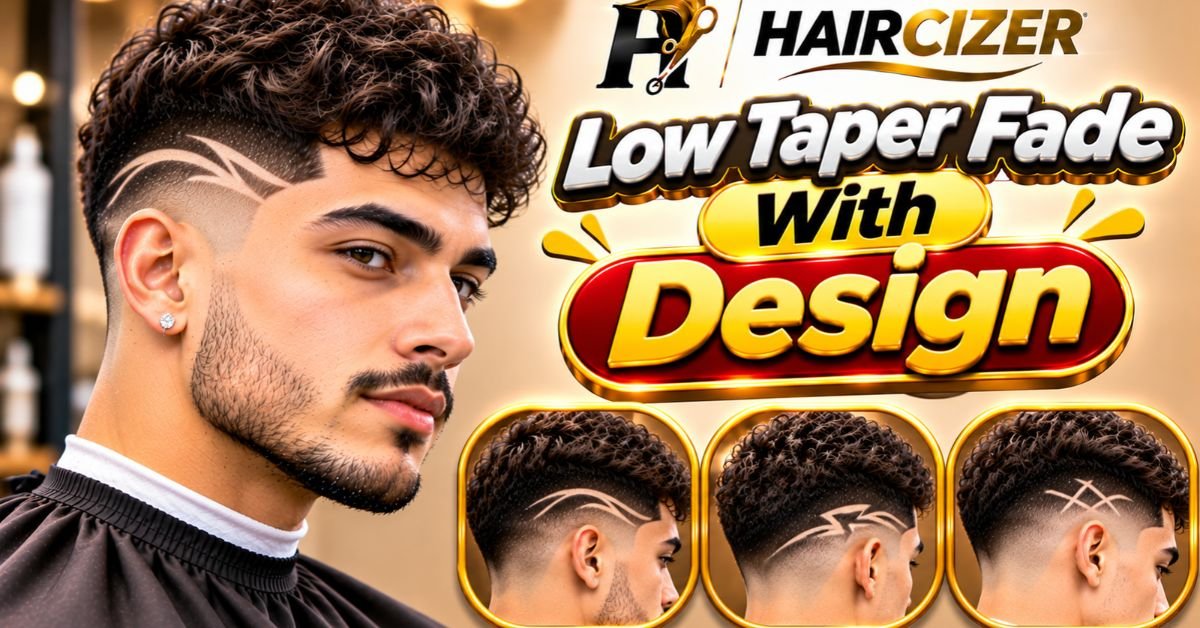
A low taper fade with design takes one of the cleanest haircuts around and adds a small piece of personality. Think of it as a quiet base cut with a sharp detail on top: a thin line, a curve, a sharp neckline, or a pattern that only shows when you turn your head.
In 2026, this mix is everywhere. Barbers love it because the low taper is a safe, flexible canvas. Clients love it because the design makes an ordinary cut feel custom. You can keep it subtle for work or school, or go bold for the weekend.
This guide explains what the cut is, why it is trending, and which designs are worth trying. You will also see how it works on different hair types and face shapes, how to explain it to your barber, and how to keep it fresh at home.
What Is a Low Taper Fade With Design?
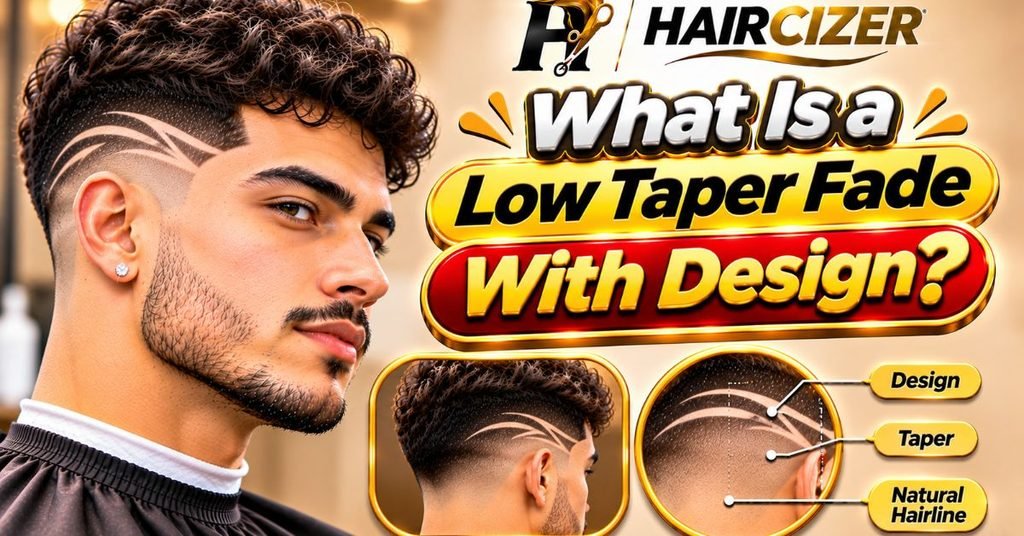
A low taper fade is a haircut where the hair on the sides and back gets gradually shorter, starting low, just above the ears and the neckline. Unlike a high or mid cut, it keeps most of the sides intact, so the effect is soft and neat.
A design is a pattern shaved or lined into the hair using clippers, trimmers, or a razor. It can be as small as one thin line near the temple or as detailed as a full geometric shape on the side or back.
Together, the two parts do different jobs:
- The taper creates a smooth, clean base with no hard edges.
- The design adds a focal point and shows off the barber’s skill.
- The top stays longer, so you can style it as a crop, fringe, waves, curls, or a quiff.
Because the taper is low, it gives the design room to stand out without looking harsh. That is why many barbers call it the best canvas for hair art.
It also helps to know how the design is made. Most barbers use a trimmer with a sharp, zero-gapped blade to draw the lines, and a fine comb to guide the blend around them. Some finish with a straight razor for extra crispness. The skill is not just in the line itself, but in how the line sits within the fade. A messy blend around a perfect line still looks messy.
How It Differs From a Skin Fade With Design
A skin fade drops down to bare skin, so the design looks very sharp and high contrast. A low taper keeps a little length, so a design looks softer. This is a big plus if you want something that works at the office or in the classroom.
Why the Low Taper Fade With Design Is Popular in 2026
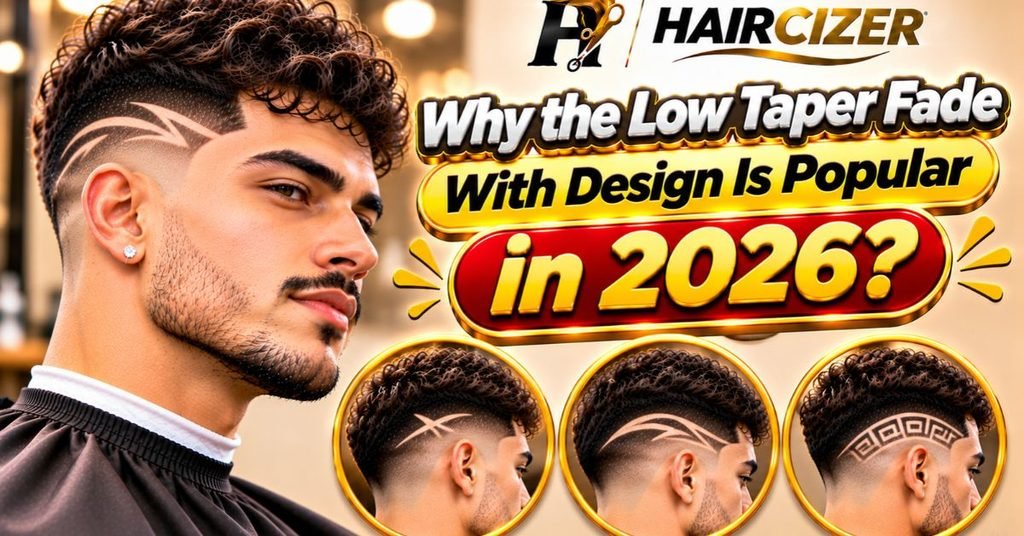
Several things explain the rise of this cut. Some are about style, and some are plain common sense.
- It is versatile. The low taper suits almost every hair type, age, and setting.
- It grows out well. Since the cut starts low, it does not look messy after a couple of weeks.
- It is personal. A design lets you stand out without changing your whole look.
- It looks great online. Sharp lines and clean contrast show up well in photos and short videos.
- It is flexible. You can ask for a tiny design now and add more detail at the next visit.
- It is easy to tone down. If you want a plain cut later, the barber can simply blend the design out.
There is also a bigger trend behind it. Men and boys now treat the barber visit as a chance for creativity. People want a cut that feels clean but not boring, and a low taper with a small design hits that balance well.
Social media plays a part as well. Short videos of barbers drawing a clean line have millions of views, and many clients now arrive with a screenshot in hand. The upside is that barbers see more requests and practice more designs. The downside is that people sometimes pick a design that does not suit their hair, which is why the advice in this guide matters.
The low taper has another quiet advantage: it respects your hairline. Because the cut starts low, it keeps the natural shape around your ears and neck, which makes the design look like part of the haircut and not like a sticker placed on top.
Best Low Taper Fade With Design Ideas for Men and Boys

Designs range from very simple to very detailed. A good rule is to start small. You can always add more later, but it is hard to take a design away once it is cut in.
Here is a quick overview of the most popular options:
| Design | Where it goes | Difficulty | Best for |
| Single line part | Side of the head | Easy | First-timers, work, school |
| Double line | Side or temple | Easy | A bit more edge |
| Curved line or wave | Side or back | Medium | Soft, flowing looks |
| Geometric shape | Side or back | Medium to hard | Bold, modern style |
| Initials or symbol | Back or side | Hard | Personal statement |
| Neckline shape | Nape | Easy to medium | Clean, polished finish |
Simple Line Designs for a Clean Look
Simple lines are the safest place to begin. They add shape without taking over your cut.
Hard part line. A thin, shaved line where you part your hair. It frames the top and gives the cut a sharp, tailored look. It works for men, teens, and boys alike.
Double part line. Two thin lines next to each other. It looks a little bolder but still stays tidy.
Curved line. A soft curve that follows the shape of the hair on the side. It feels smoother than a straight line and suits wavy and curly hair well.
Short temple lines. A few small cuts near the temple or eyebrow. They are subtle and add a touch of personality.
Stepped lines. A small set of lines that look like steps. They give a modern, geometric feel without a lot of detail.
For boys, simple lines are usually the best choice. They look neat, grow out fast, and are easy for a barber to cut gently. Many schools also allow small lines, but it is smart to check the rules first.
Parents should also think about comfort. Kids can get restless in the chair, so a quick, simple design reduces stress for everyone. Ask the barber to use a soft touch near the ears and neck, and avoid razor work on very young skin. A short, calm visit leads to a better cut and a happier child.
Back and Neckline Design Ideas
The back of the head is an easy spot to add detail, since no one sees it in the mirror every day. A good neckline also makes the entire haircut look more finished.
- Natural neckline. The barber follows your natural hair growth. It looks soft and grows out evenly.
- Rounded neckline. The corners are curved. It is clean and classic.
- Squared neckline. The edges are straight and sharp. It looks bold, but shows regrowth sooner.
- V-shaped nape. A pointed shape in the center. It adds a stylish detail and works well with a low taper.
- Single back line. One thin vertical line or a small curve behind the head.
- Small symbol or initial. A tiny mark placed at the back for a personal touch.
If you want a design that lasts, keep the shapes simple. Detailed back designs lose their sharpness quickly, often within a week or two.
Another tip is to match the back design to the front. If the front has a hard part line, a clean squared or rounded neckline usually looks balanced. If the front is very plain, a small V-shape or a thin back line can add interest without feeling busy. Always ask for a quick check with a hand mirror, so you can see the back before the barber finishes.
Low Taper Fade With Design for Curly, Wavy, and Straight Hair
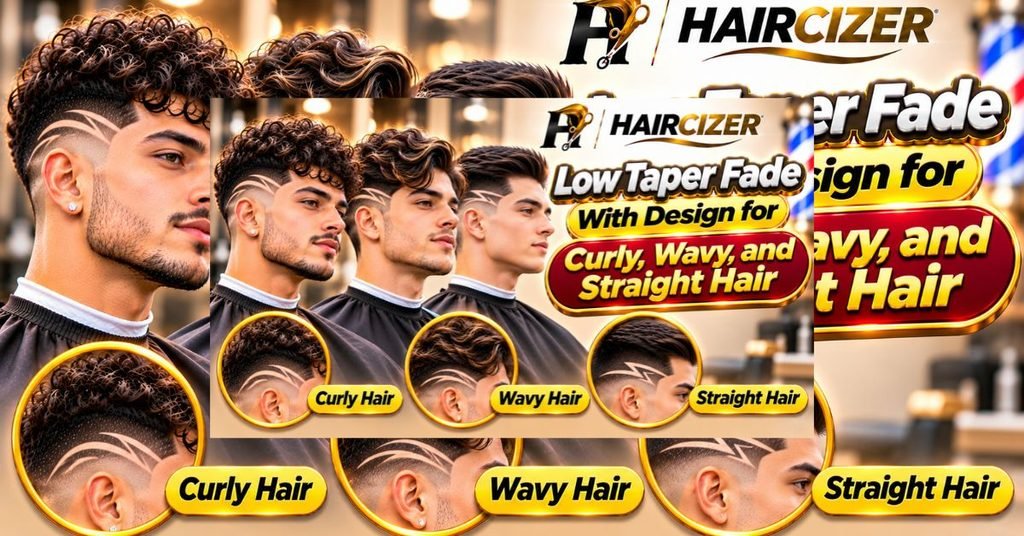
Your hair type changes how the haircut looks. The same design can feel soft on one person and bold on another, so it helps to choose with your texture in mind.
| Hair type | Taper look | Best design style | Styling tip |
| Curly | Strong contrast with the top | Curved lines, small shapes | Curl cream, leave-in conditioner |
| Wavy | Soft, natural blend | Flowing lines, single part | Sea salt spray, light cream |
| Straight | Clean, crisp blend | Sharp lines, geometric shapes | Matte paste or clay |
| Coily or thick | Very defined edges | Detailed patterns | Light oil, soft brush |
| Fine | Gentle, soft look | Minimal lines | Texture powder, light spray |
Curly Hair
Curly hair and a low taper make a great pair. The curls give volume and movement on top, while the taper keeps the sides neat. Designs stand out clearly against the short hair, so even a simple line looks sharp.
Keep the top moisturized. Curls that are dry or frizzy can make the whole cut look messy, no matter how clean the design is. Curved lines and soft shapes match the natural flow of the curls.
When the curls grow longer, the taper starts to blend into them, so the contrast between top and sides becomes softer. This is the moment to book a trim. A short visit every three weeks keeps the shape round and the design visible, and stops the curls from looking heavy or uneven.
Wavy Hair
Wavy hair has a relaxed shape that suits a low taper well. The taper gives the waves a neat frame. A part line or a gentle curved line fits nicely and does not fight the natural pattern.
Avoid heavy products. They can flatten waves and take away the soft movement that makes this look so appealing.
Wavy hair also changes with the weather. On humid days, waves can swell and look fuller, while dry days make them look flatter. Keep a light styling cream nearby so you can reset the pattern in seconds. A quick spritz of water and a gentle scrunch is often all you need.
Straight Hair
Straight hair shows the taper very clearly, so any uneven blending is easy to see. This is great if your barber is skilled, since the lines look extra crisp. Straight hair also holds geometric designs well.
Use a matte clay or paste to add texture. Without it, straight hair can look flat next to a detailed design.
Straight hair also shows cowlicks more clearly. If you have one near the crown or front, tell your barber before the cut. A small change in the top length can stop the hair from sticking up and keep the whole look tidy.
Coily or Thick Hair
Thick or coily hair is a natural match for designs. The short sides show off patterns very well, and the top holds its shape with little effort. Detailed lines, shapes, and even small symbols can look very striking.
Keep the sides well moisturized and be careful with close razor work. Coily hair is more likely to get ingrown hairs, so ask for a slightly longer finish if your skin is sensitive.
Fine Hair
Fine hair can look great with a low taper, but heavy designs may expose the scalp. Thin hair also grows out more visibly, so regular trims help keep the cut neat. Choose a light touch, such as a single line or a soft curve. Ask your barber to blend carefully so the sides do not look too thin.
Texture powder or a light spray can add body on top. A subtle design with fuller-looking hair often looks better than a big design on thin sides.
Low Taper Fade With Design for Different Face Shapes
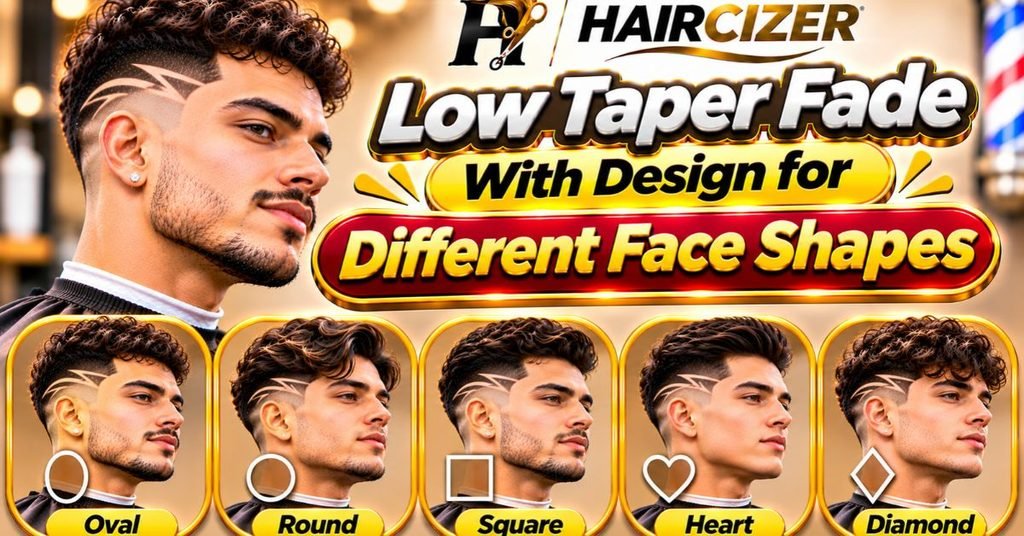
A good haircut should flatter the shape of your face. Designs can help balance your features when placed with care.
| Face shape | What helps | Design tip |
| Oval | Almost anything works | Try any line or shape you like |
| Round | Height and sharp angles | Straight or angled lines add structure |
| Square | Softer edges | Curved lines balance a strong jaw |
| Oblong | Width, not extra height | Keep the top shorter and designs low |
| Heart | Balance at the jaw | Keep designs small near the temples |
| Diamond | Softer temples | Use gentle curves instead of sharp angles |
A few simple rules go a long way:
- Round faces look longer with angled lines and some height on top.
- Square faces look softer with curved designs.
- Narrow faces look better with a fuller top and a smaller design.
- Wide foreheads benefit from fringes that sit forward and light temple designs.
If you are not sure, ask your barber. A good barber will look at your face from several angles and suggest a placement that works for you.
Ear shape, head shape, and hairline matter as well. A design placed too high on the side can pull attention away from the face. A design placed too low can look lost behind the ear. Most barbers aim for the zone just above the taper line, where the design flows naturally into the blend.
How to Ask Your Barber for a Low Taper Fade With Design

Clear communication is the key to getting the cut you want. Many bad haircuts come from simple misunderstandings, not from bad barbers.
Step-by-Step Guide
Also Read:Low Taper Fade Mohawk: 15 Bold Styles & Pro Barber Secrets
- Choose your design first. Save one or two photos that show the exact line or shape you like.
- Match the photos to your hair type. A picture of straight hair will not help if you have coily hair.
- Describe the base cut. Say, “I would like a low taper fade.”
- Explain the top. Say how much length you want to keep and how you plan to style it.
- Show where the design goes. Point to the exact spot on your head, or on the photo.
- Mention the neckline. Choose a natural, rounded, squared, or V-shaped finish.
- Ask about upkeep. Find out how often the design needs a touch-up.
A Simple Script
Try this:
“I would like a low taper fade with a thin line design on the left side. Please keep some length at the neckline, leave about two inches on top, and keep the design subtle.”
Questions to Ask
- Will this design look good on my hair type?
- How long will the design stay sharp?
- Can you make it smaller or softer if I do not like it?
- What products should I use to style it?
Do not be afraid to say “start small.” Most barbers prefer that to fixing a design that is too big.
It also helps to book a little extra time. Designs take longer than a plain taper, and a rushed barber is more likely to make a mistake. Early appointments, when the shop is quiet, often give the best results. If you are visiting a new barber, look at their recent work online first and check that they cut designs on hair like yours.
Maintenance and Styling Tips

A low taper with design looks best when it is fresh. The good news is that it takes less effort than many people think.
How Often to Visit the Barber
| Look | Visit every |
| Sharp lines and clean edges | 1 to 2 weeks |
| Neat, everyday look | 2 to 3 weeks |
| Relaxed, grown-in look | 3 to 4 weeks |
Designs fade quickly because the lines are cut close to the skin. If you like a very crisp look, plan for a quick line-up every one or two weeks.
Many shops offer cheaper, shorter visits for line-ups only. This is a smart way to keep a design fresh without paying for a full haircut every time. Ask your barber if they offer this service, and how much time it usually takes.
Styling Tips at Home
- Start with clean, damp hair. It is easier to shape and holds product better.
- Use a small amount of product. A pea-sized amount is enough for a short top.
- Pick the right product. Matte clay for texture, cream for waves and curls, and light oil for coily hair.
- Keep the sides clean. Avoid putting product on the designed area. It can make the lines look blurry.
- Brush gently. A soft brush or wide comb helps shape the top without disturbing the sides.
- Protect your head at night. A satin cap or pillowcase keeps curls soft and reduces friction on the sides.
Skin and Scalp Care
Close lines can irritate sensitive skin. Keep the area clean and use a gentle, alcohol-free aftercare lotion. If you get red bumps, avoid scratching and do not shave the area yourself. A cold, clean cloth can calm the skin after a fresh cut.
If the irritation lasts more than a few days or looks infected, see a doctor or dermatologist.
Clean tools matter here too. Barbers should use sanitized clippers and fresh blades, and they should wash their hands between clients. If anything in the shop looks unclean, it is perfectly fine to leave and choose another place.
Simple Weekly Routine
- Wash your hair two to four times a week with a gentle shampoo.
- Moisturize the top, especially if it is curly or coily.
- Wipe the sides with a clean cloth to remove product buildup.
- Use sunscreen if the sides are very short and you spend time outside.
- Book your next appointment before you leave the shop.
Common Mistakes to Avoid With Haircut Designs
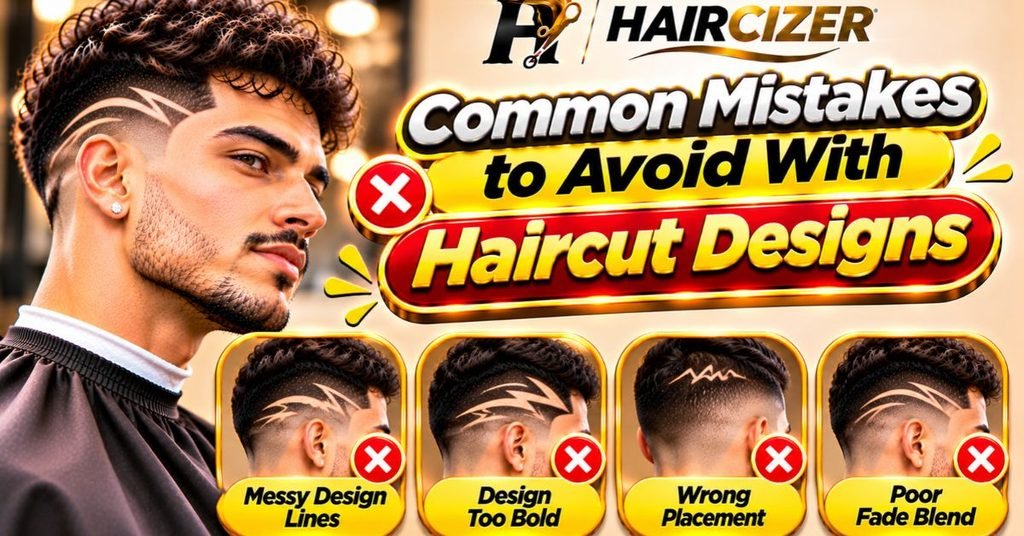
Even a great design can go wrong. Watch out for these common errors.
- Choosing a design that is too big. A big pattern can look heavy, especially on a short taper.
- Ignoring your hair type. Fine hair and detailed shapes do not always mix well.
- Skipping the photo. Words alone can lead to the wrong result.
- Rushing the decision. Take time to think about size, shape, and placement.
- Forgetting about school or work rules. Some places limit visible designs.
- Cutting the design yourself. A tiny slip with a razor can leave a bald patch that takes weeks to grow back.
- Using heavy products. Thick gels and waxes blur lines and clog the skin.
- Skipping upkeep. A design that is not refreshed quickly looks fuzzy and uneven.
- Choosing a trend you do not like. A design should feel like you, not just like what is popular.
- Not checking the cut. Always look in the mirror from the front, side, and back before you pay.
If you make a mistake, do not panic. A good barber can often blend a design out or soften it. Hair also grows back, so most issues fix themselves with time.
If you dislike your design, talk to the barber calmly and quickly. Most barbers want you to leave happy and can adjust the lines, soften the edges, or trim the nearby hair to make the design look smaller. Waiting a week before judging the cut is also wise, since fresh lines often look sharper and stronger than they will after a few days.
FAQs About Low Taper Fade With Design
What is a low taper fade with design?
It is a low taper haircut with a shaved line or pattern added for style.
Is a low taper fade with design good for work?
Yes, a small line or neat neckline looks professional.
Can boys get a low taper fade with design?
Yes, simple lines are a good choice for boys.
How long does a design last?
Most designs stay sharp for one to two weeks.
Does it work on curly hair?
Yes, curly tops contrast nicely with the neat sides.
Can fine hair have a design?
Yes, but choose a small, light design and a soft blend.
What is the easiest design to start with?
A single hard part line is the easiest and safest option.
How often should I visit the barber?
Every two to three weeks keeps the cut and design neat.
Will a design cause skin irritation?
It can on sensitive skin, so ask for gentle clipping and a soothing aftercare lotion.
Can I grow the design out?
Yes, the sides simply grow back and blend with the rest of your hair.
Conclusion
A low taper fade with design gives you the best of both worlds: a clean, easy base and a small detail that makes the cut feel like yours. It works for men and boys, for curly, wavy, straight, coily, and fine hair, and for almost every face shape. It also looks good in a classroom, an office, or a night out.
The best results come from starting simple, bringing a clear photo, and talking honestly with your barber. Keep the top moisturized, book regular touch-ups, and avoid heavy products. With these habits, your next cut will stay sharp, comfortable, and ready for 2026.
Leave a Reply